

Material testing
PUL Fabric Waterproof Testing
Use a water-droplet reference correctly: define the sample, method, observation and acceptance rule before production.
Read the testing guide →Use first-party production references and practical checklists to prepare a clearer sourcing brief.
Use a water-droplet reference correctly: define the sample, method, observation and acceptance rule before production.
Read the testing guide →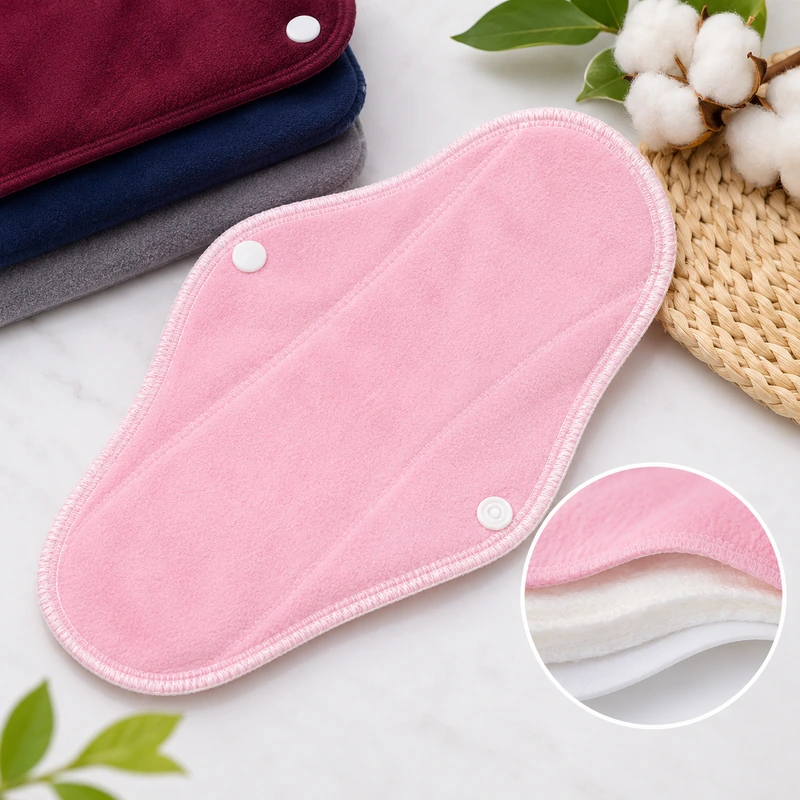
Define the pad specification, four-pad bag and quotation unit before comparing a large institutional order.
Read the procurement guide →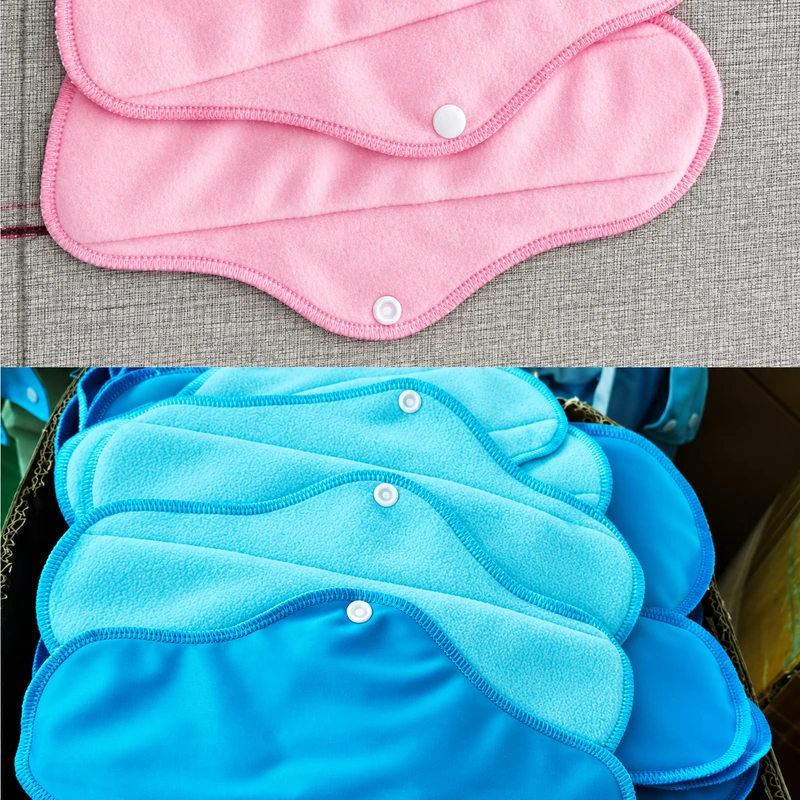
Separate pack pricing, freight, cargo insurance and destination charges without assuming an unverified shipping rate.
Review the CIF checklist →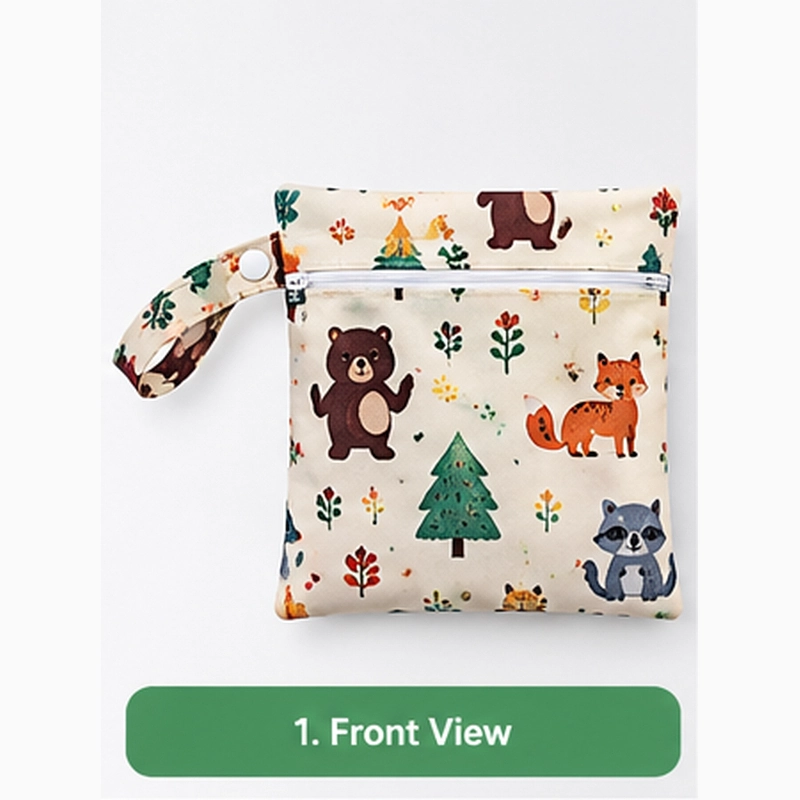
Review the 20 × 25 cm example, TPU lining, single snap, screen print and sample route.
Read the specification →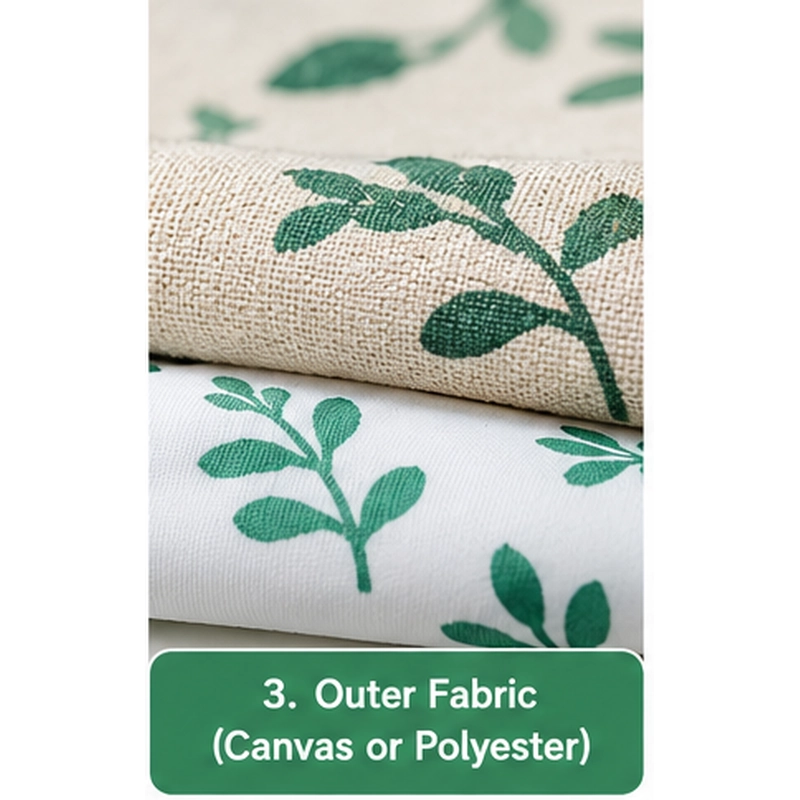
Compare outer fabric, finish, decoration and product-specific minimum order quantities.
Compare materials →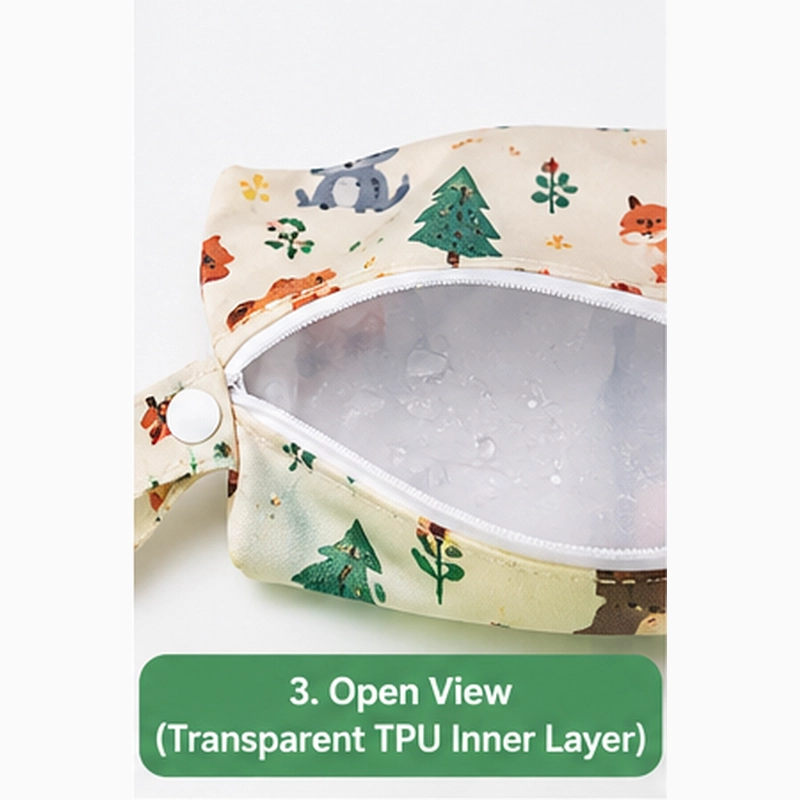
Specify lining thickness, attachment, seams and finished sample checks.
Read the lining guide →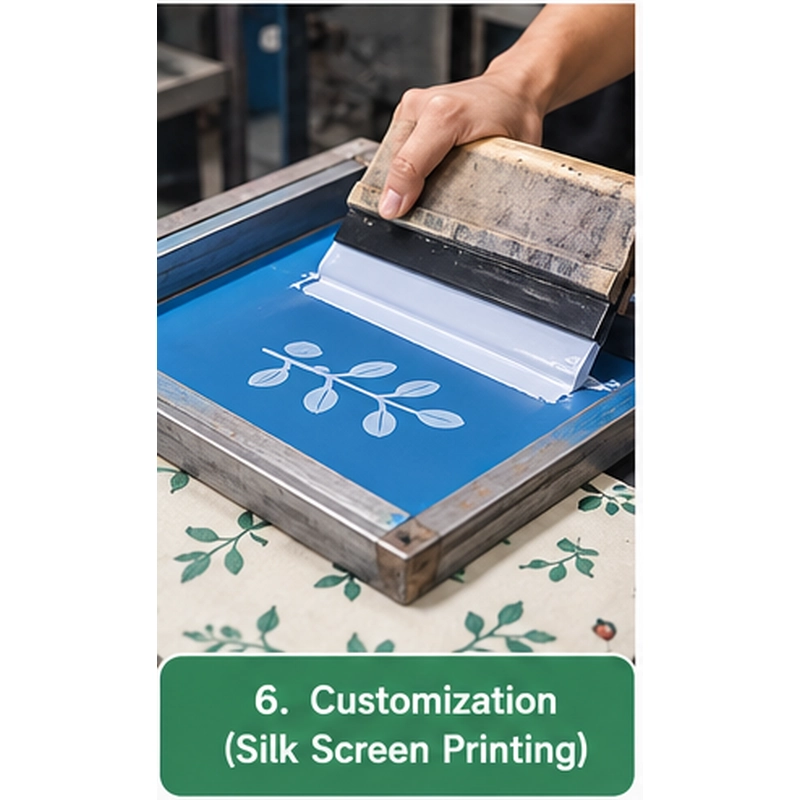
Prepare artwork placement, colour approval and a physical print sample.
Read the print guide →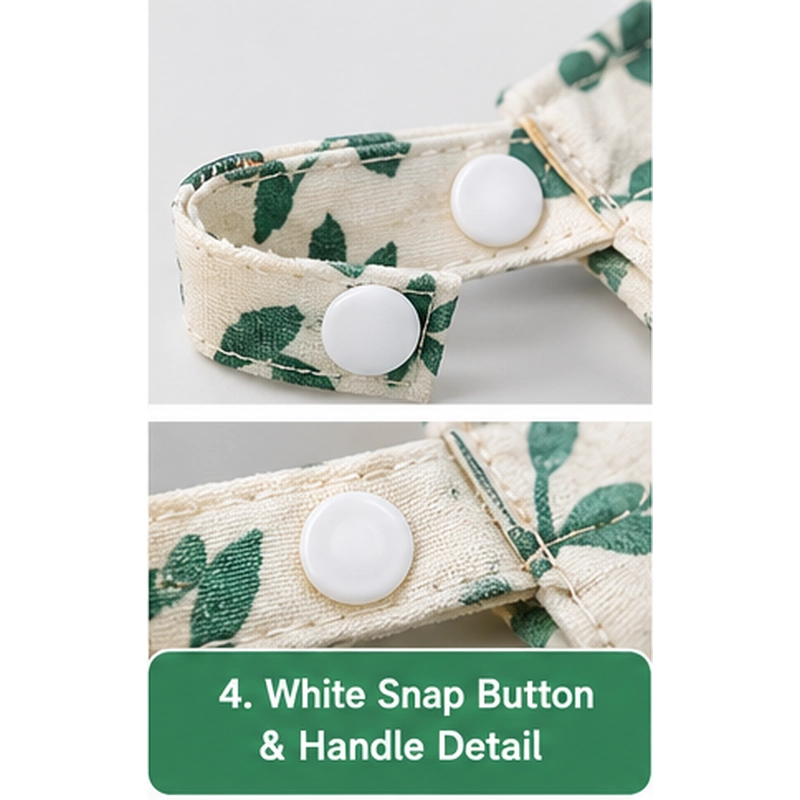
Define access, closure placement and sample checks for a snap design.
Compare closures →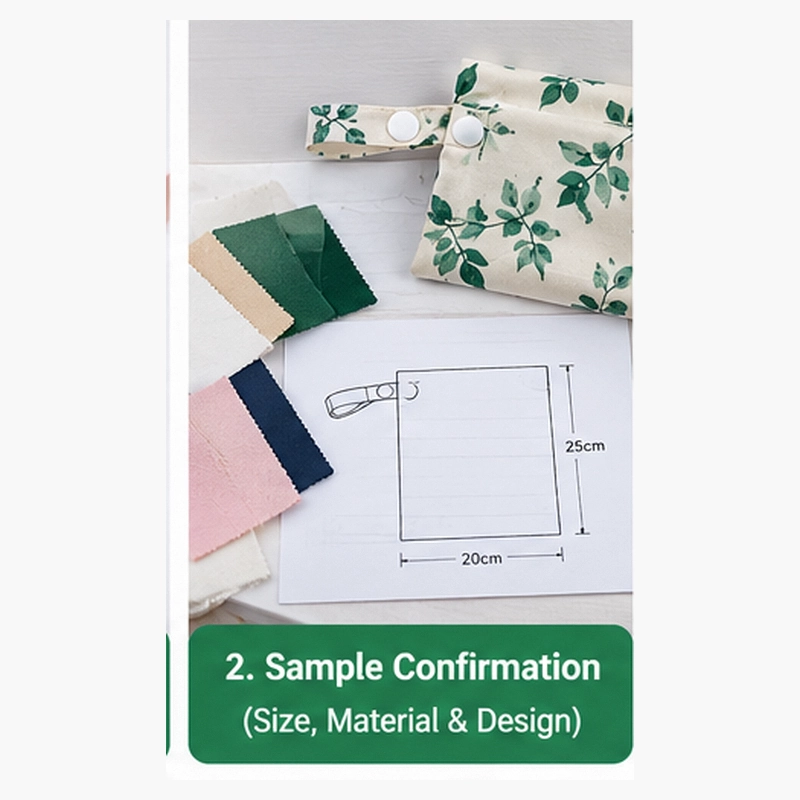
Plan fabric-specific minimums, the sample fee and project timing questions.
Plan the order →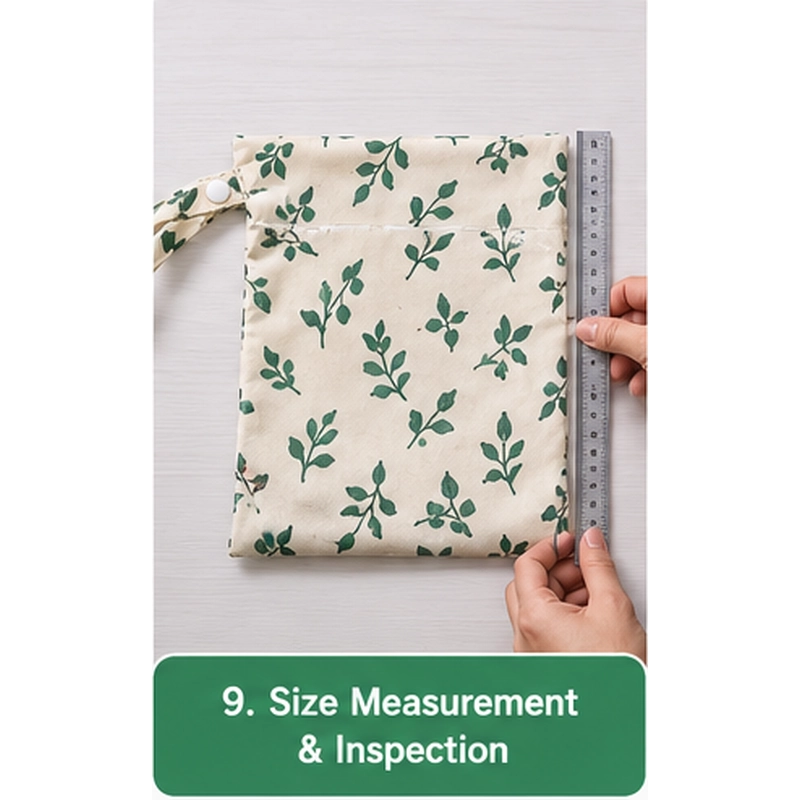
Send size, material, closure, logo, carton and destination details for a comparable quote.
Build the RFQ →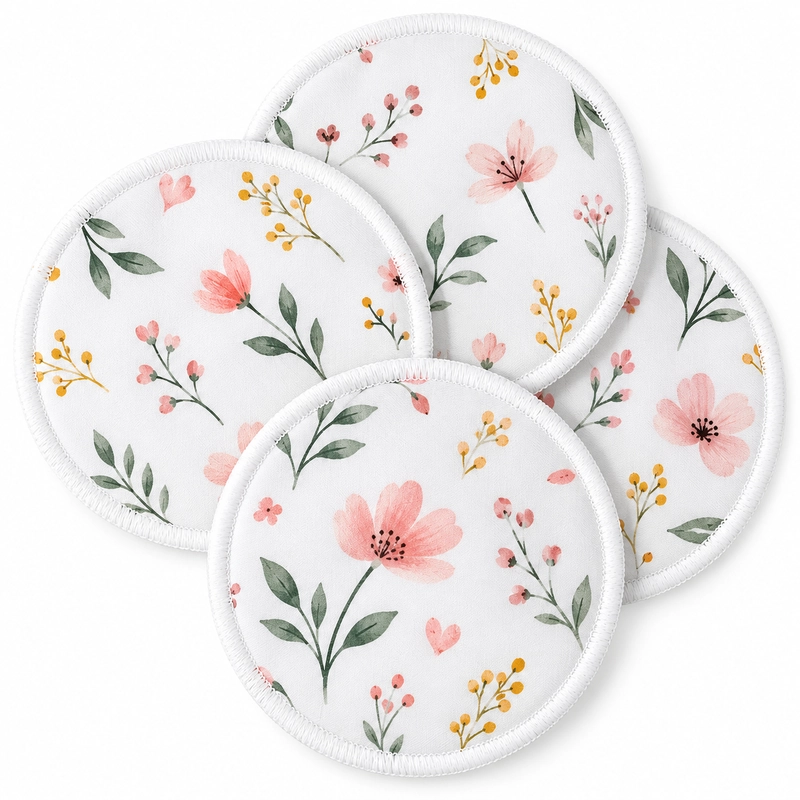
Define the three-layer construction, 12 cm diameter, four-pad pack and open material and test fields without calling the complete pad 100% cotton.
Read the specification guide →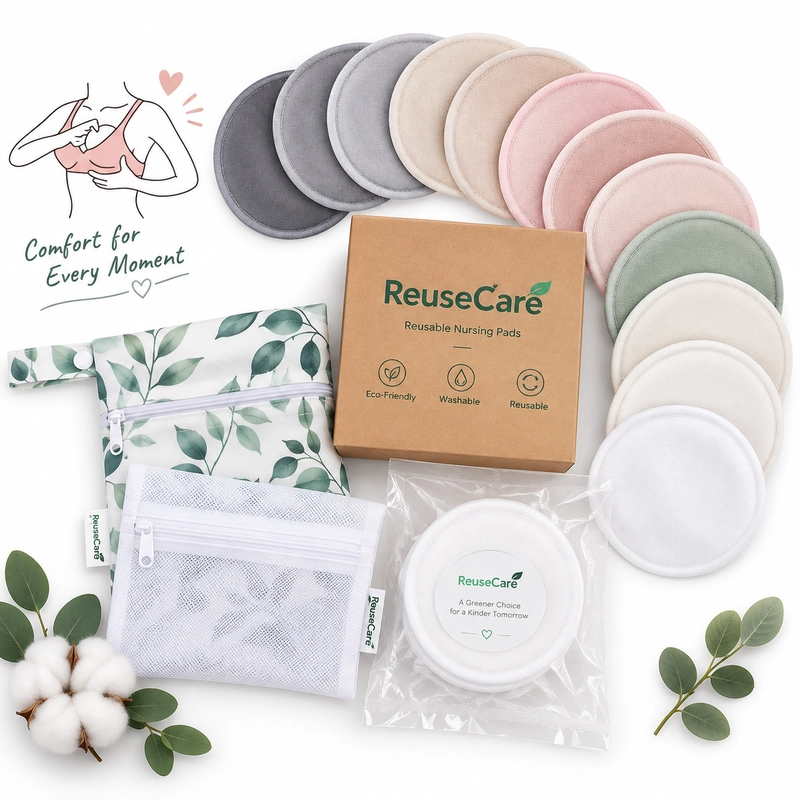
Separate confirmed specifications, open questions, pack quantities, samples, documents, destination and quote inclusions.
Build the nursing-pad RFQ →Keep pads, packs and cartons distinct: four pads per retail pack and 400 packs in the current bulk-carton plan.
Read the pack guide →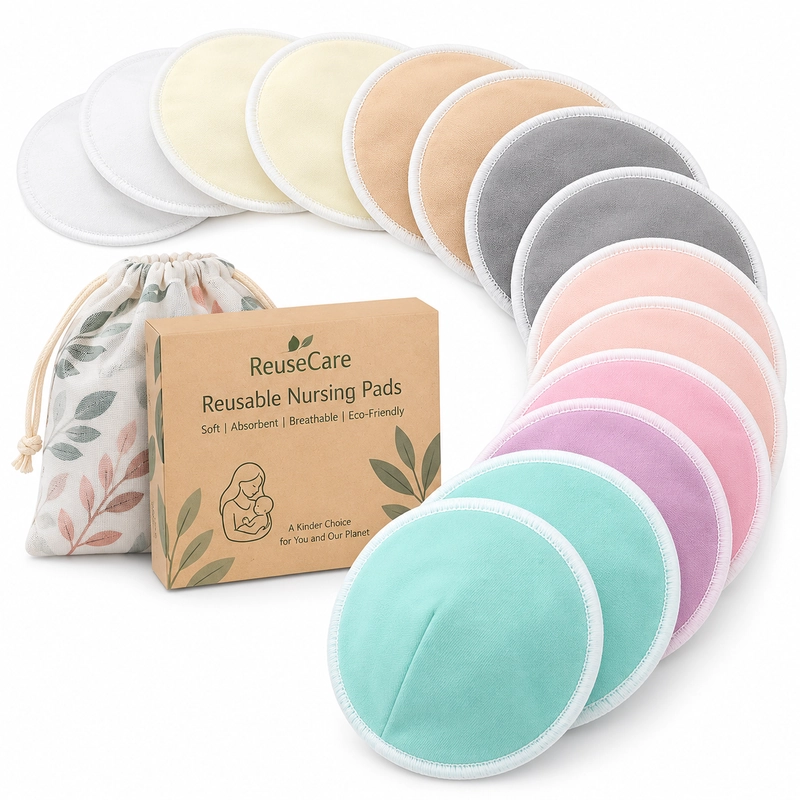
Understand why a 100% cotton flannel layer and a PUL barrier can belong in the same three-layer product.
Compare the layer roles →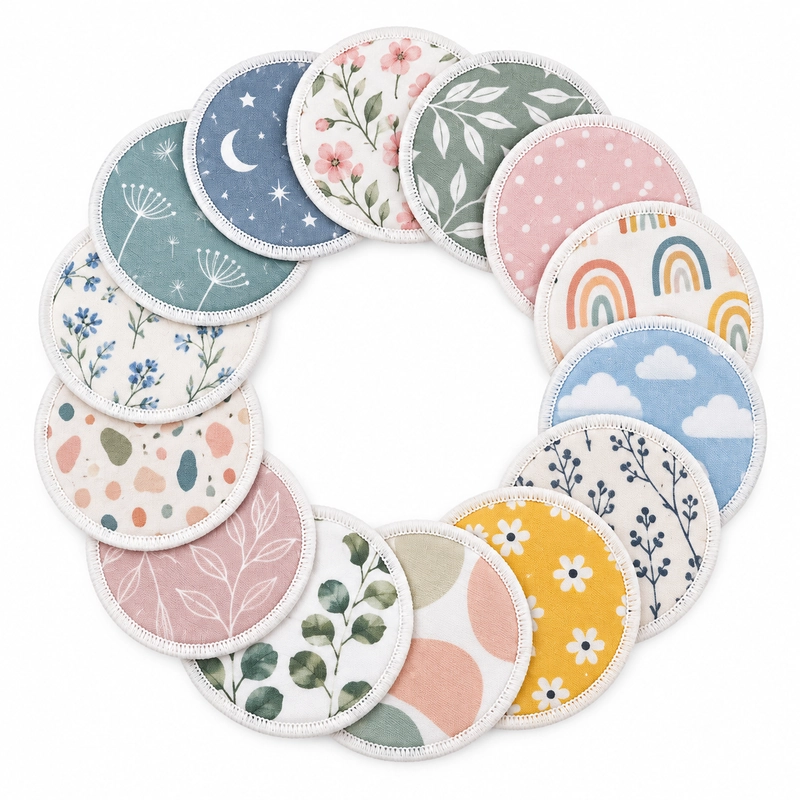
Specify color, processing declarations, shade approval and documentation without making unsupported bleaching or hypoallergenic claims.
Read the color guide →Use 12 cm and a 15 mL target responsibly while agreeing the missing tolerance, thickness and repeatable test method.
Read the testing guide →
Translate an institutional brief into controlled product, sample, labeling, evidence, packing and delivery requirements.
Open the procurement checklist →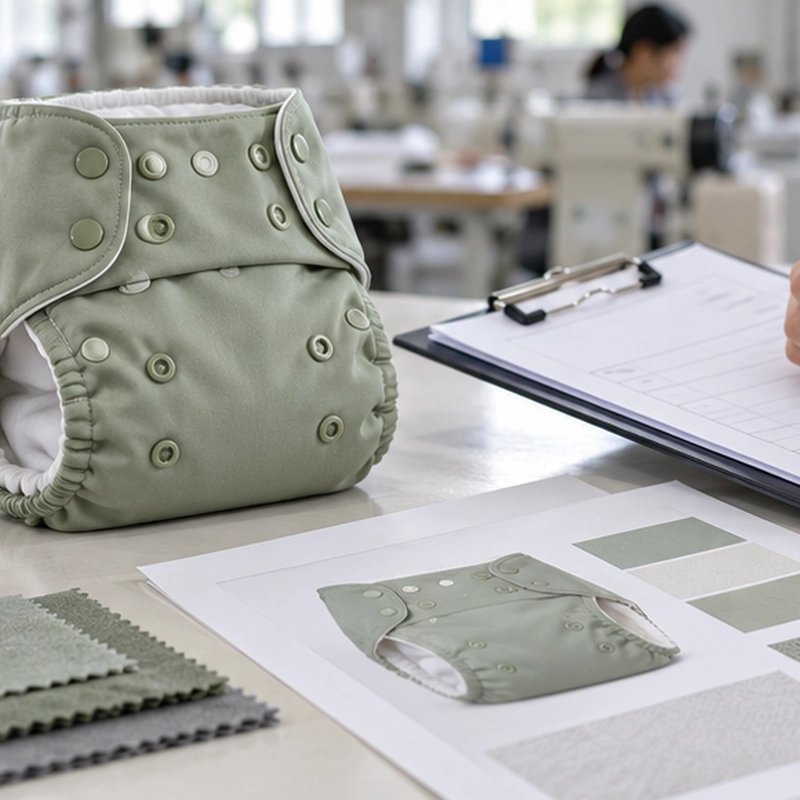
Control the US$30 sample, approximately three-day preparation, revisions, written sign-off and bulk reference sample.
Read the approval workflow →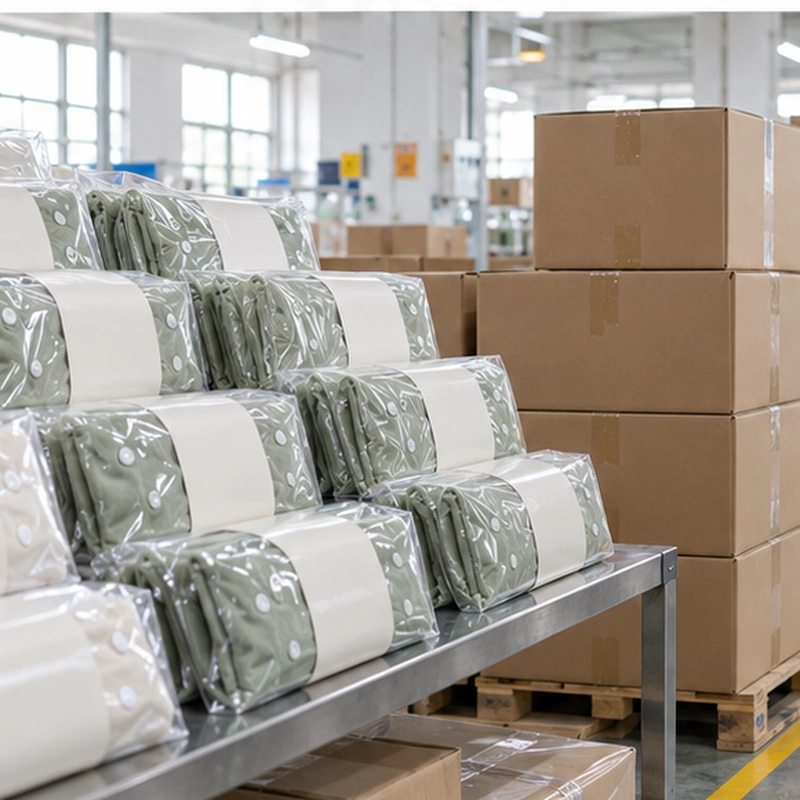
Convert packs to cartons, confirm 53 × 38 × 48 cm cartons and request current freight, duty and destination assumptions.
Plan cartons and DDP delivery →
Verify the contracting seller, production site, exporter, invoice entity and certificate holder before relying on a supplier claim.
Read the EU buyer guide →
Ask one consistent set of questions about identity, products, materials, samples, documents, quality, traceability and change control.
Open the buyer questionnaire →
Connect each listed SKU to its current materials, sample, certificate or report scope, lot information and confirmed availability.
Read the matching workflow →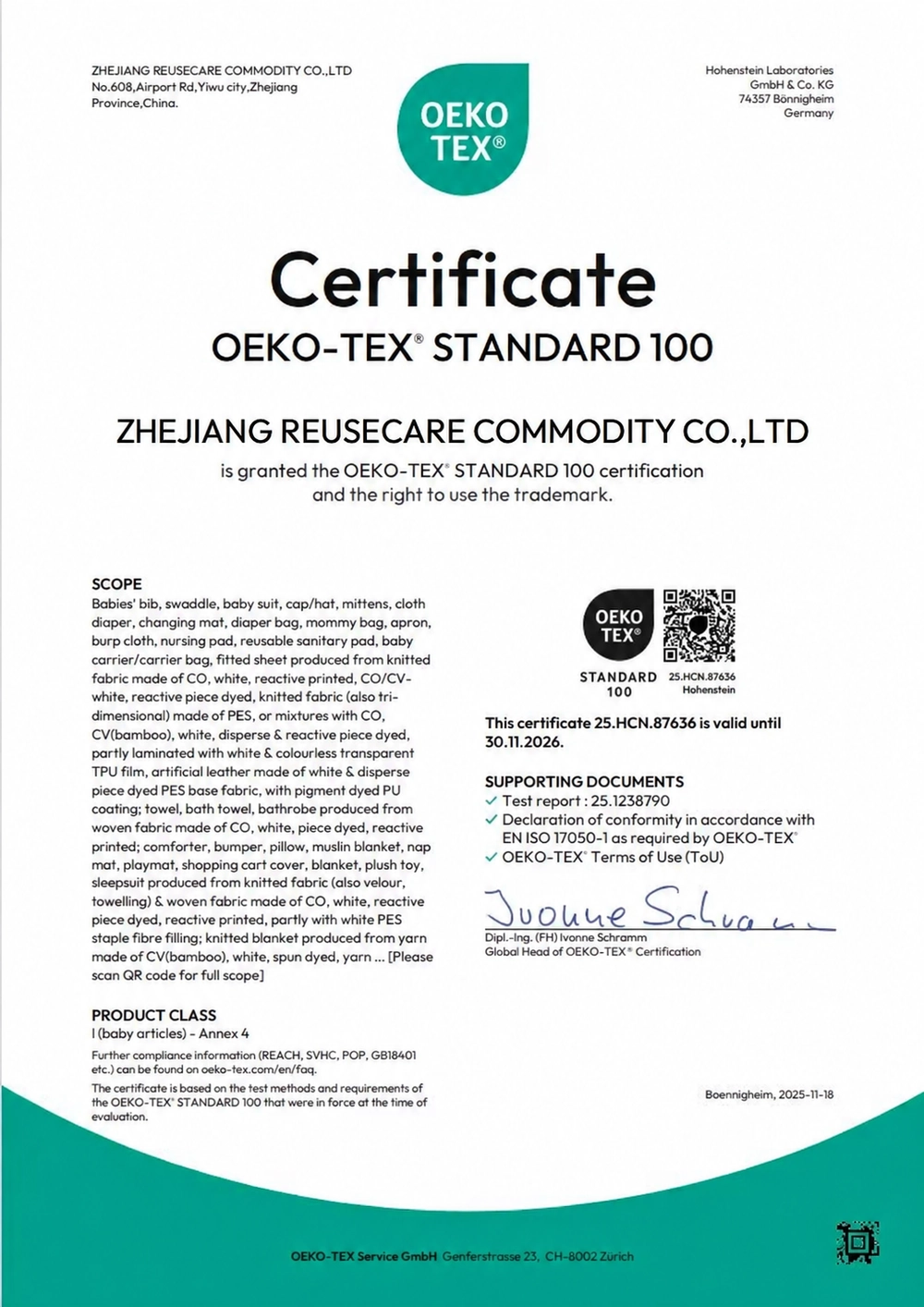
Check the number, holder, certified article, product class, current status and whether the ordered finished product is actually covered.
Read the verification guide →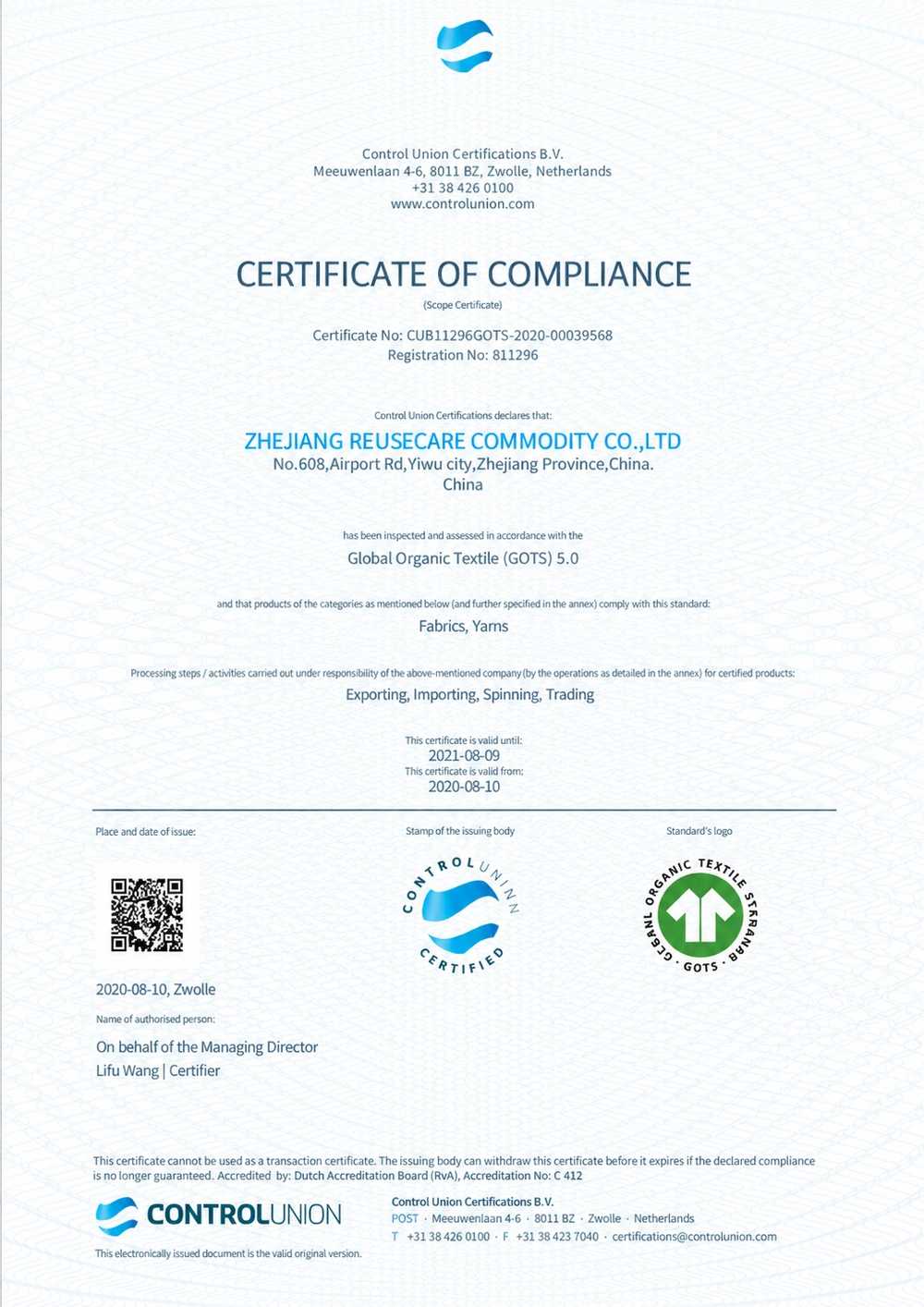
Understand what qualifies an entity and what evidence follows a specific certified shipment before making a product claim.
Compare SC and TC evidence →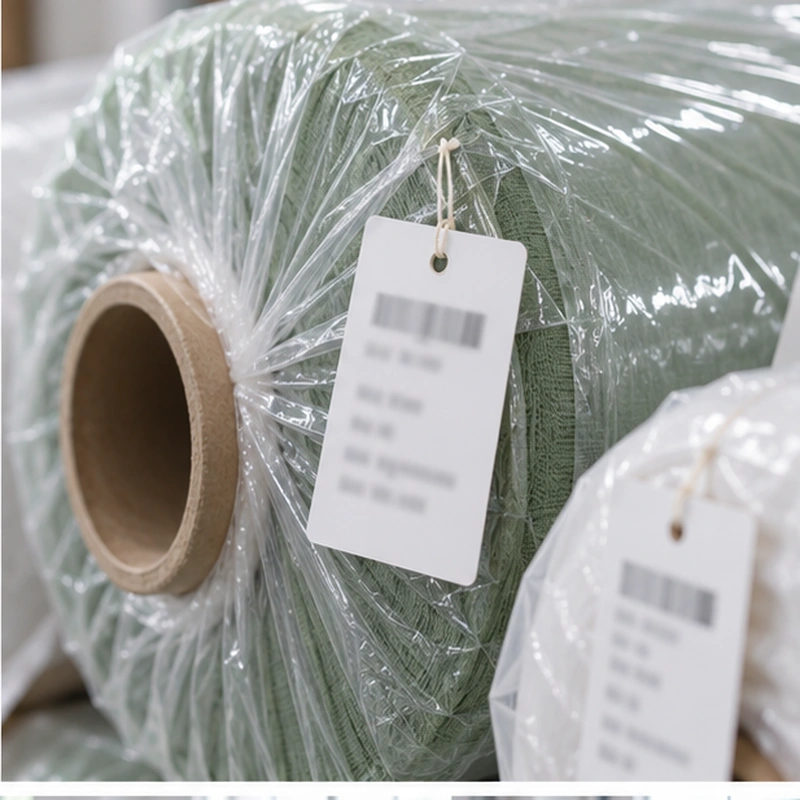
Match the report number, laboratory, sample ID, tested materials, restrictions, method, result and date to the exact product.
Read the report guide →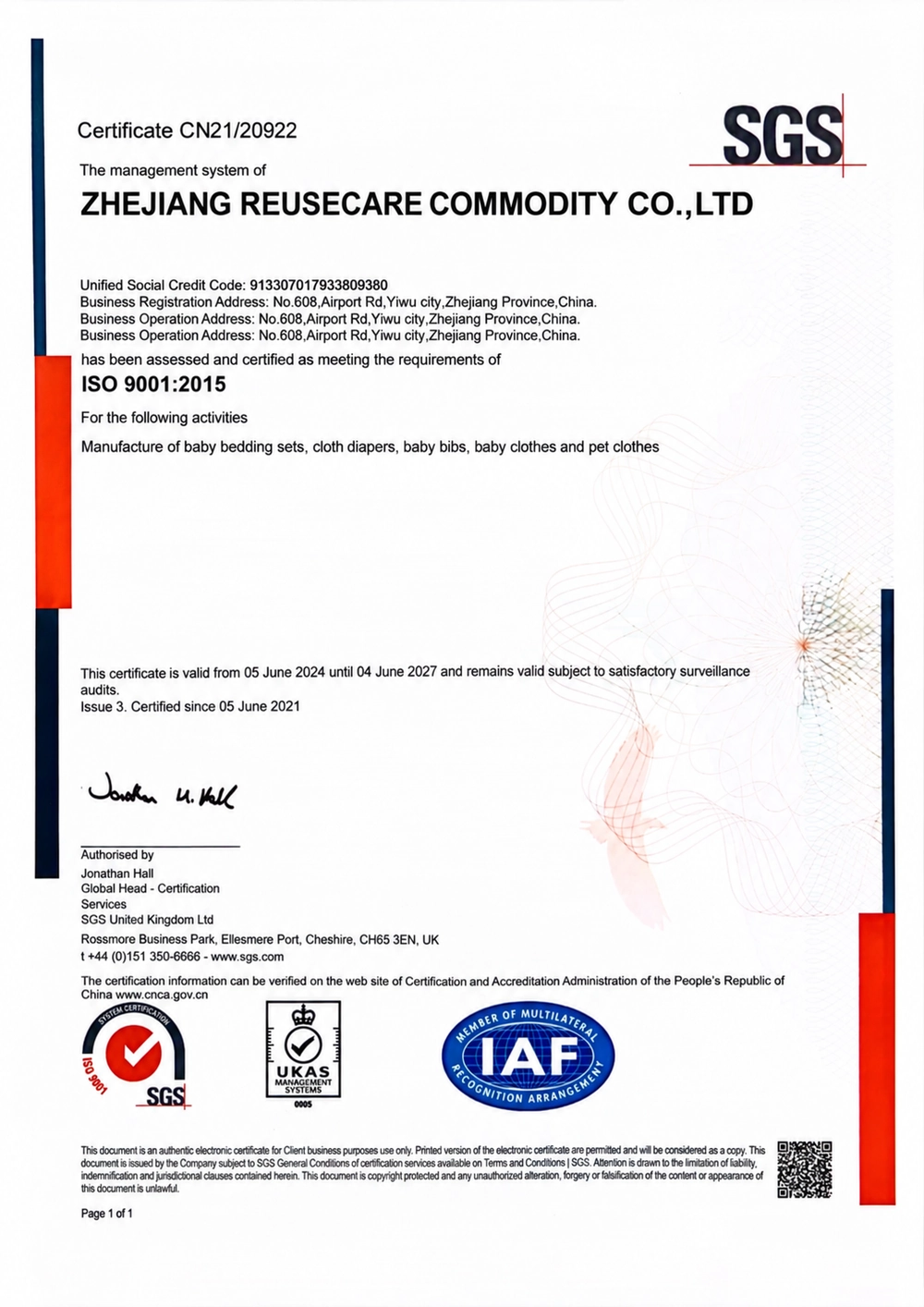
Separate company, facility, material, product and shipment evidence, then control versions for the ordered SKU.
Build the document request →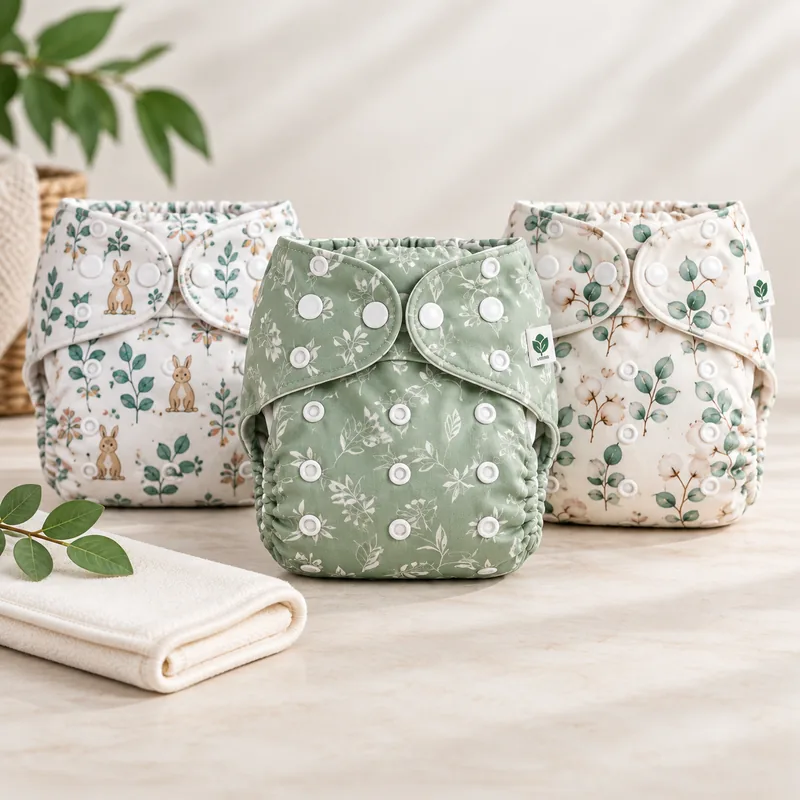
Plan classification, responsible-operator review, Italian labels, product evidence, customs records, samples and shipment documents.
Read the Italy buyer guide →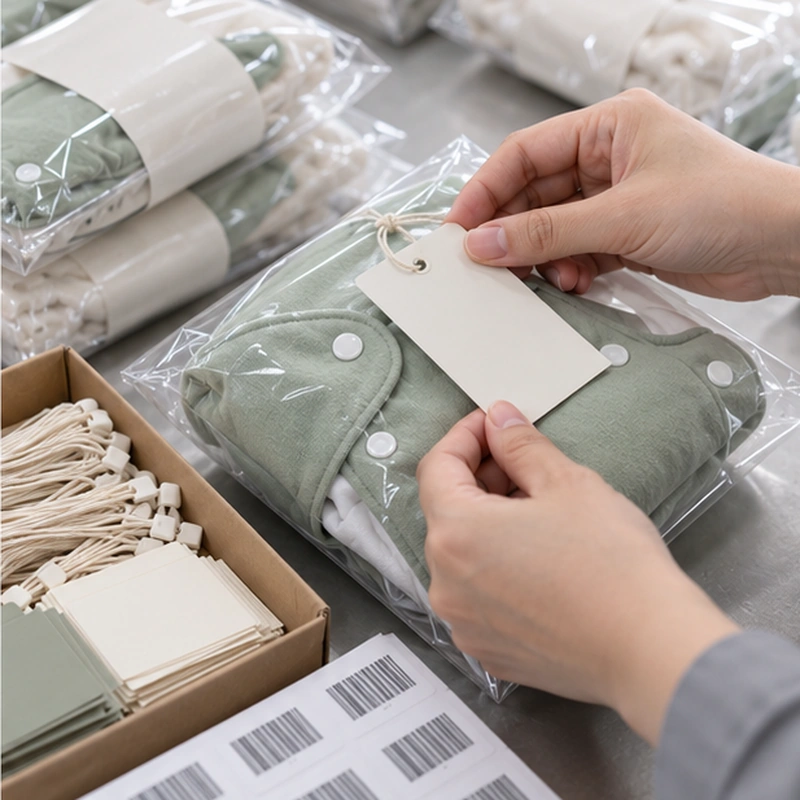
Link incoming material lots, production records, inspections, packing units, cartons and shipment records through controlled identifiers.
Read the traceability guide →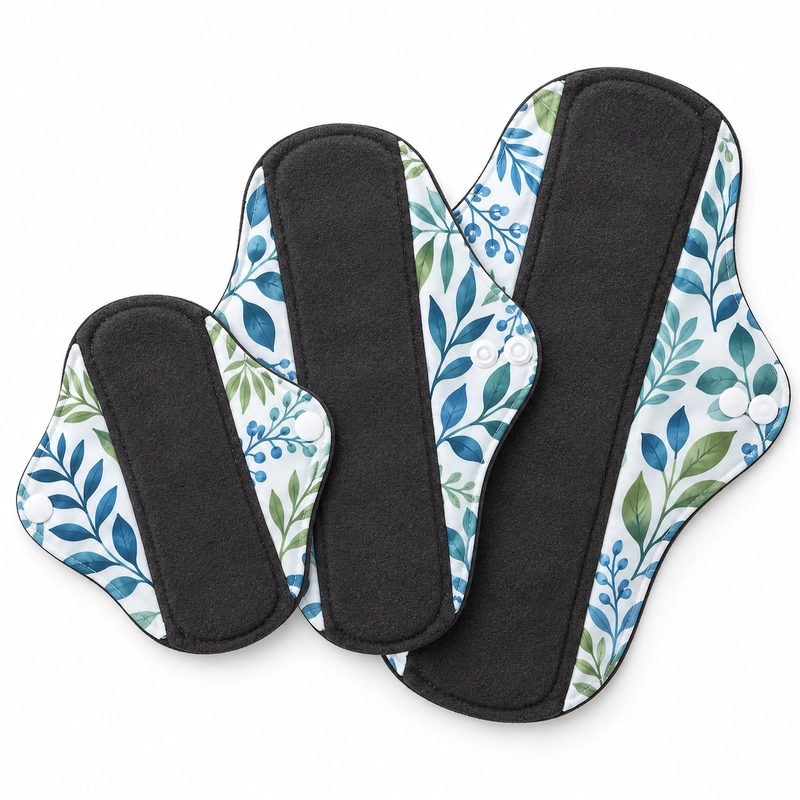
Compare ready-stock styles for a smaller launch with a product-specific 500-piece custom route before approving samples and artwork.
Read the existing-style guide →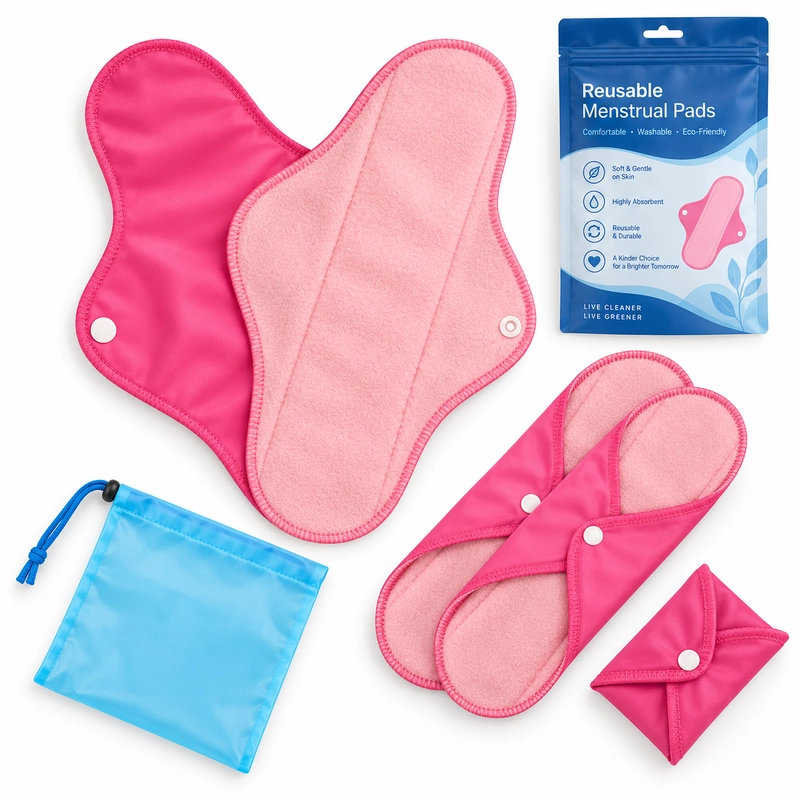
Define the day and night pad mix, pouch role, artwork, labels and complete set sample before requesting a quote.
Read the gift-box guide →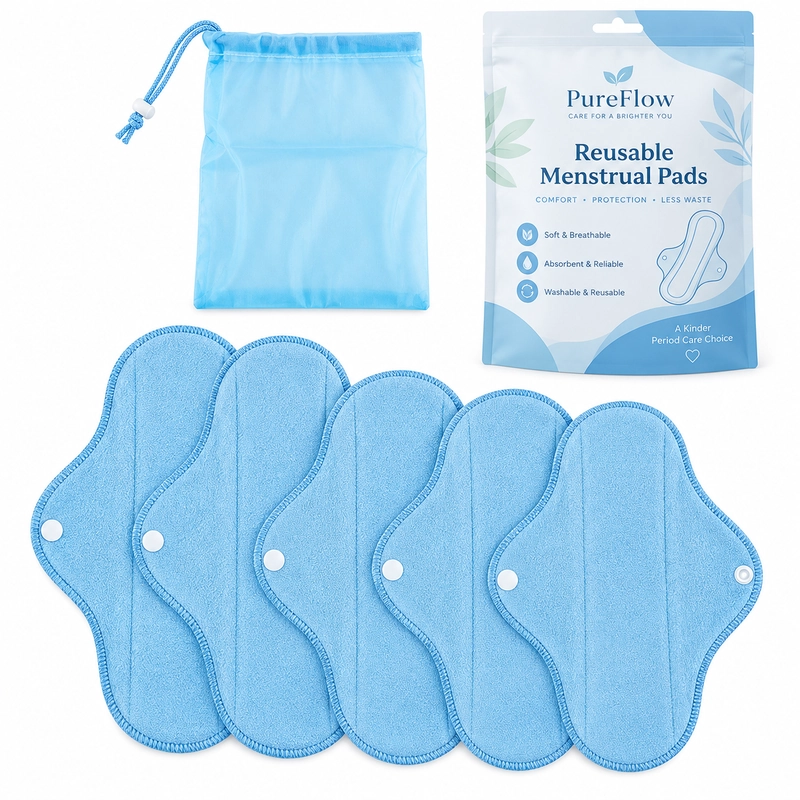
Specify a matching dark pouch by capacity, material, closure, construction, color tolerance and sample checks without assuming performance.
Read the pouch guide →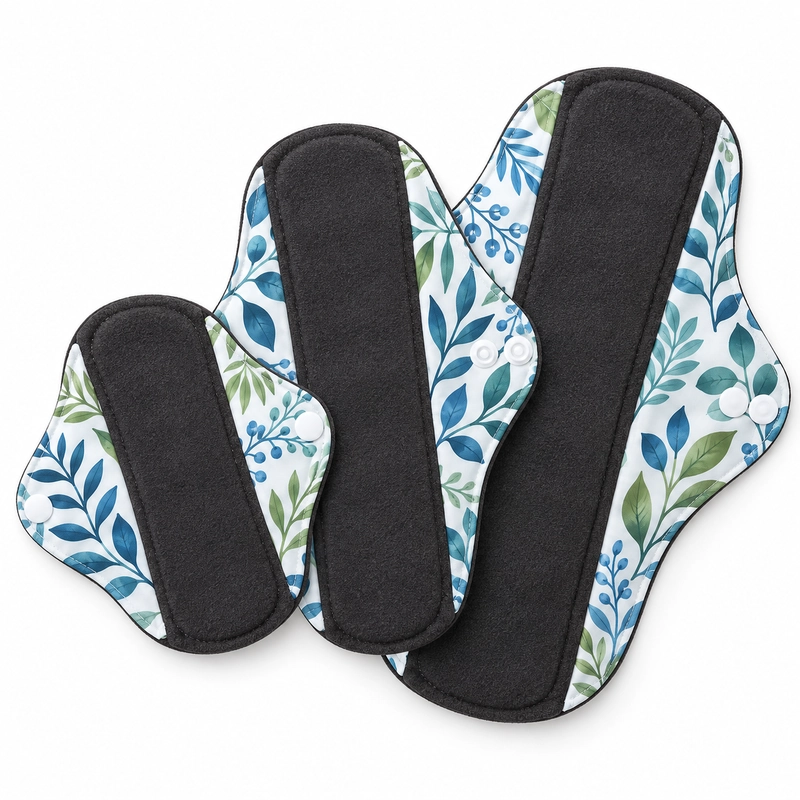
Compare a 100–250-piece ready-stock route with a product-specific 500-piece custom route while confirming every style and option.
Read the order-planning guide →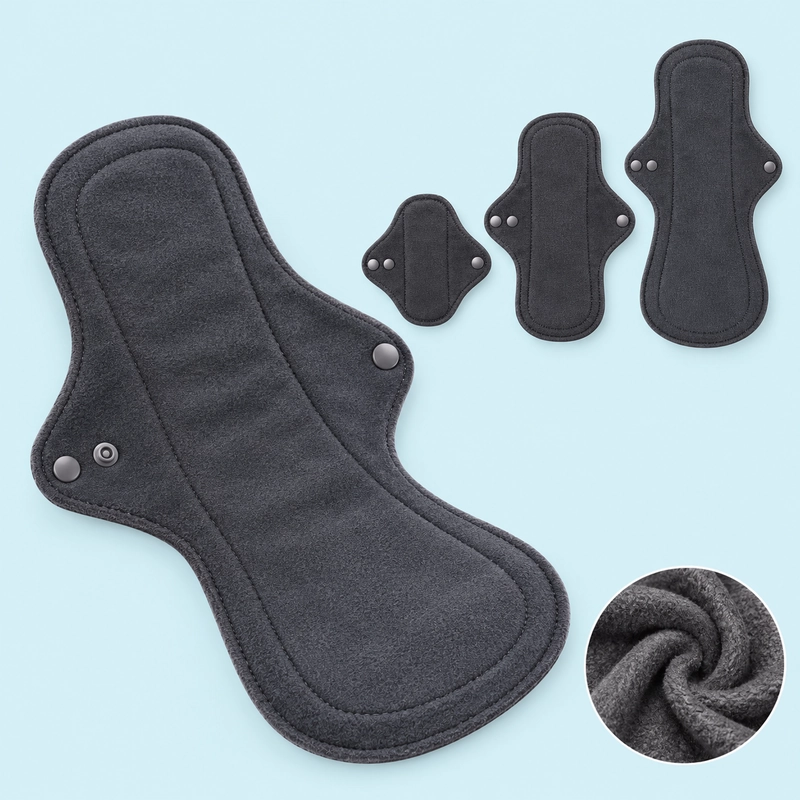
Specify a gold-color snap by material, finish, color tolerance, placement, sample approval and agreed wash and pull checks.
Read the snap-button guide →Prepare product, French-language label, EORI, traceability, shipment and sample questions with official sources.
Read the France buyer guide →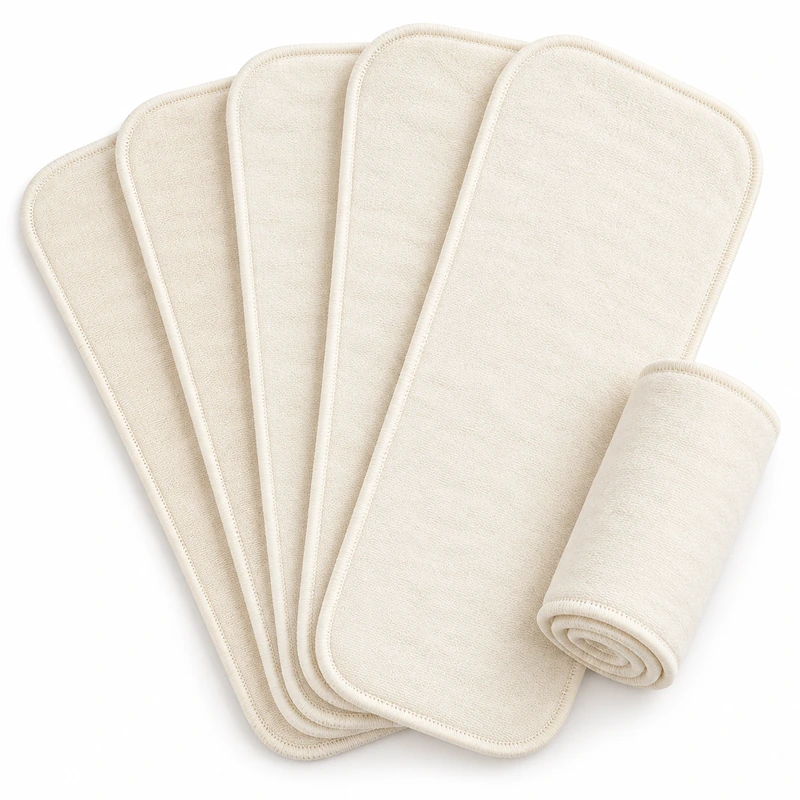
Plan a controlled sample comparison, record trade-offs and choose against your own product criteria.
Read the insert comparison guide →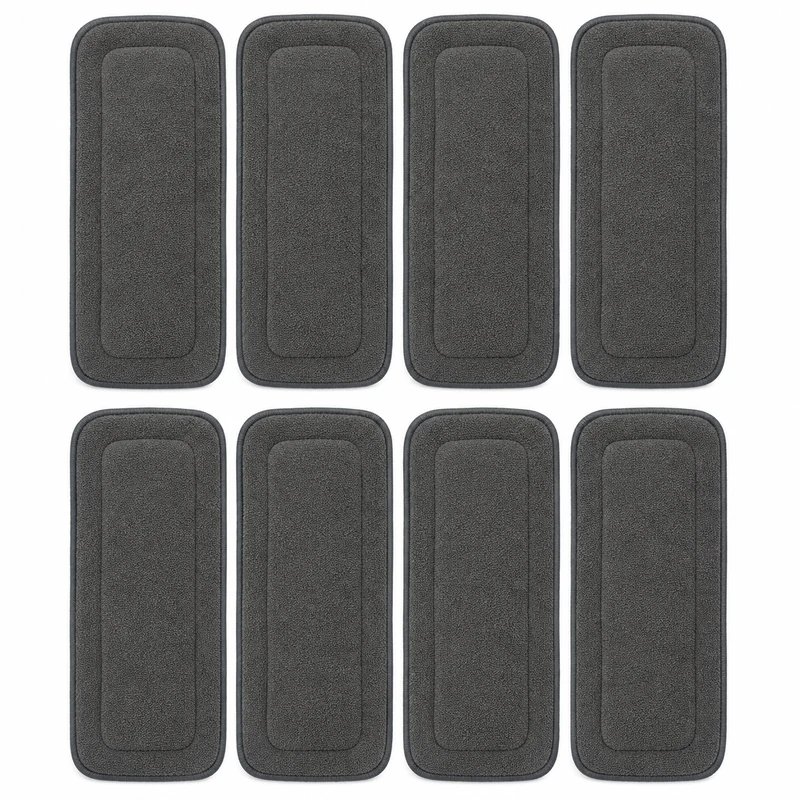
Specify the layer map, dimensions, construction and sample method before comparing washable insert options or requesting an OEM quote.
Read the insert buyer guide →Define the exact blend, material position, layer map and sample evidence behind a bamboo-charcoal-style pad.
Read the buyer guide →Plan day and night variants by intended use, dimensions, construction, sample review and quantity by style.
Read the buyer guide →Turn leak resistance into a product-specific test instruction instead of relying on a fabric name or photo.
Read the buyer guide →
Prepare artwork, placement, application-method and wash-evaluation requirements before approving a branded sample.
Read the buyer guide →
Specify the selling unit, label copy, barcode data, artwork revision and physical pack approval.
Read the buyer guide →Send a quote-ready brief covering product, quantity, materials, logo, packaging, sample and destination.
Read the buyer guide →Use a numbered sample, revision record and signed production basis before a planned 500-piece order.
Read the buyer guide →Compare product, sampling, branding, packaging, freight and import quote lines without inventing a unit price.
Read the buyer guide →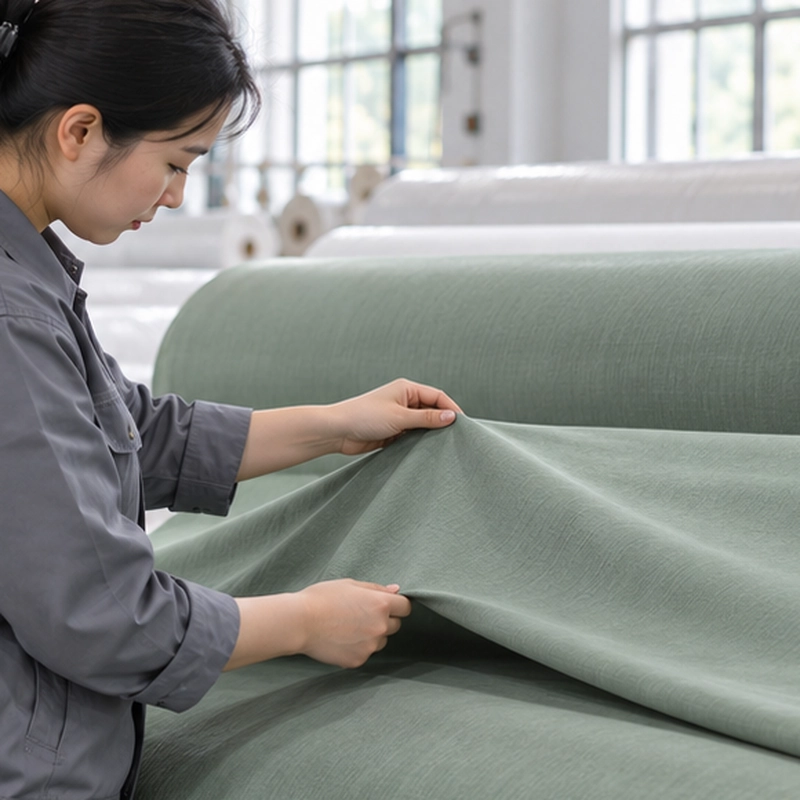
Separate MOQ scope, sample charges and each schedule stage so supplier quotations can be compared fairly.
Read the buyer guide →Prepare classification, EORI, labelling, safety-document and landed-cost questions with official EU sources.
Read the buyer guide →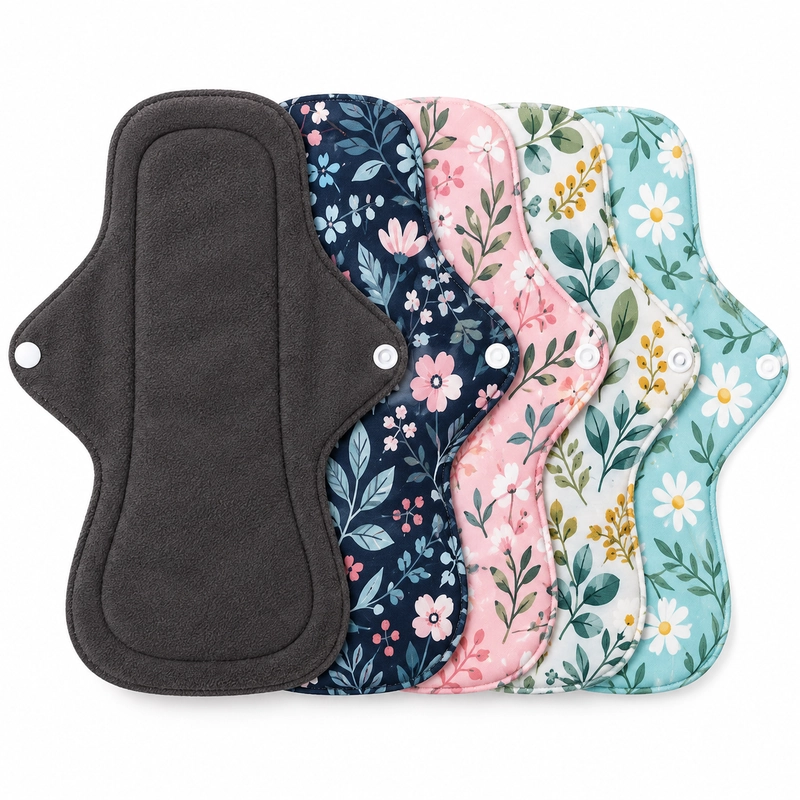
Review certificates and test reports by sample identity, method, laboratory, date, validity and exact scope.
Read the buyer guide →Build a comparable freight request from packed shipment data, service scope, schedule and importer responsibilities.
Read the buyer guide →See how style, construction, quantity, sampling, branding, packaging and destination shape a factory quote.
Review the cost factors →Map the skin-contact fabric, absorbent core, waterproof layer and backing before comparing samples or requesting an OEM quote.
Read the materials guide →Check the layer map, sample identity and laboratory report scope before making a PFAS claim for a private-label pad.
Read the PFAS buyer checklist →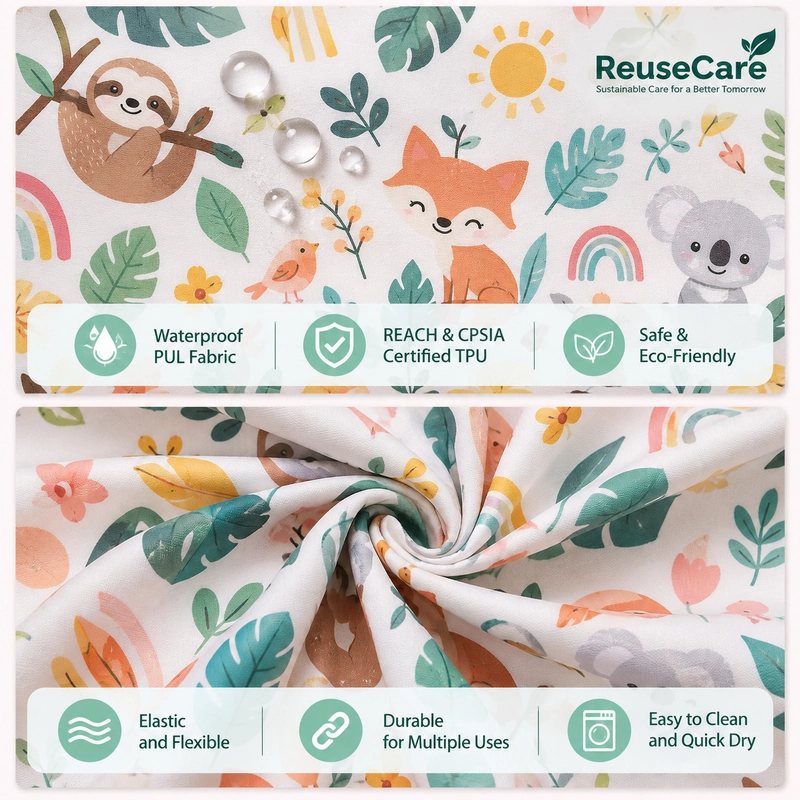
Understand the base fabric, TPU film, applications and specifications a buyer should confirm.
Read the PUL cloth guide →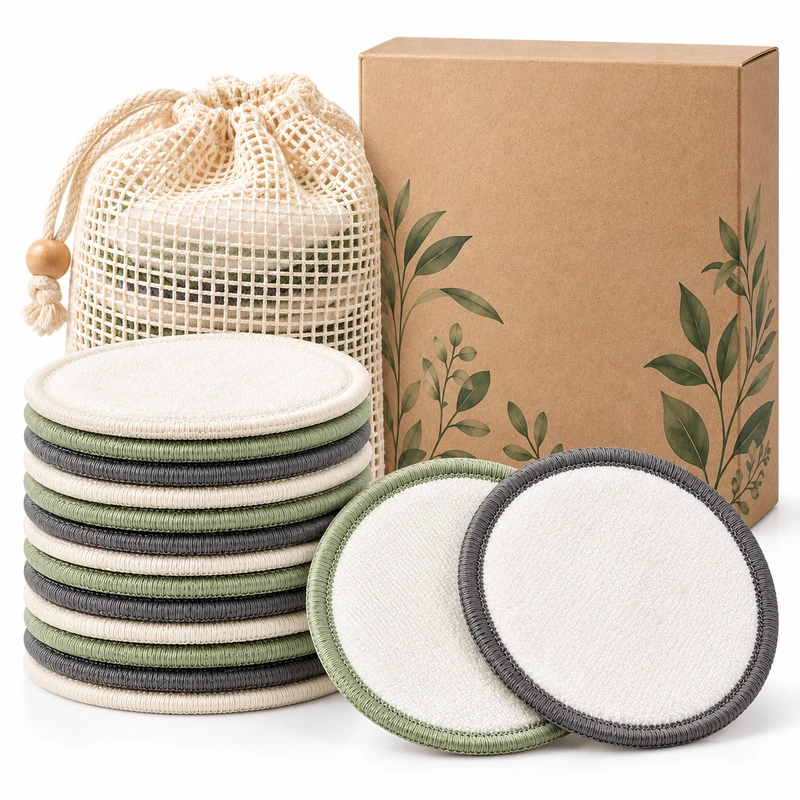
Turn a target diameter, layers, confirmed fiber content and edge finish into a sample-ready brief; leave unconfirmed details open for supplier review.
Build a specification →
Record measurements, stitch appearance, layer alignment and sample changes before approving a washable facial-round reference.
Review the inspection guide →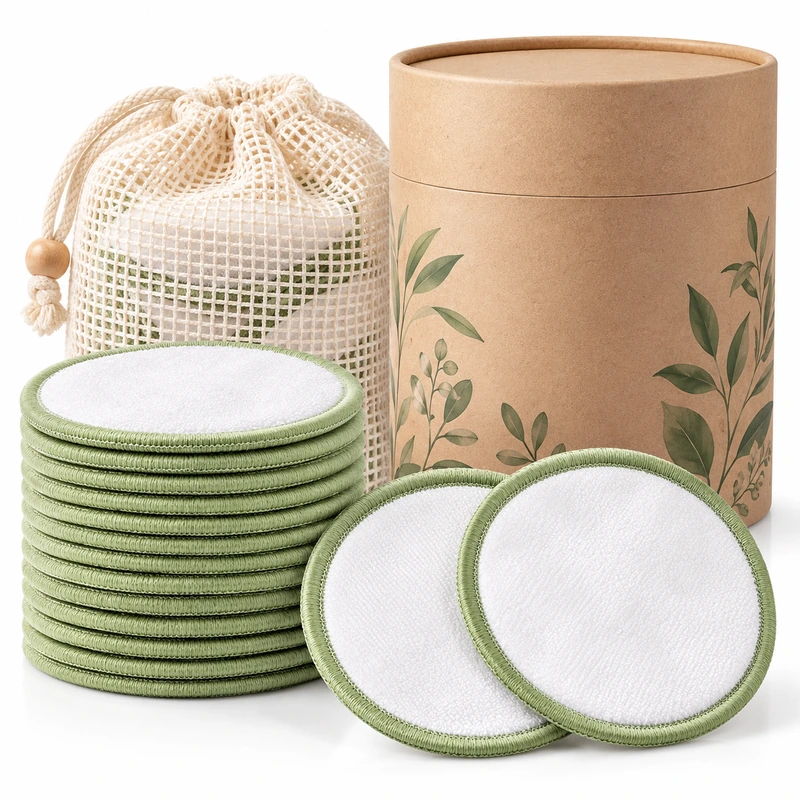
Compare exact composition, format, sample criteria and private-label pack details before requesting a quote.
Read the buyer guide →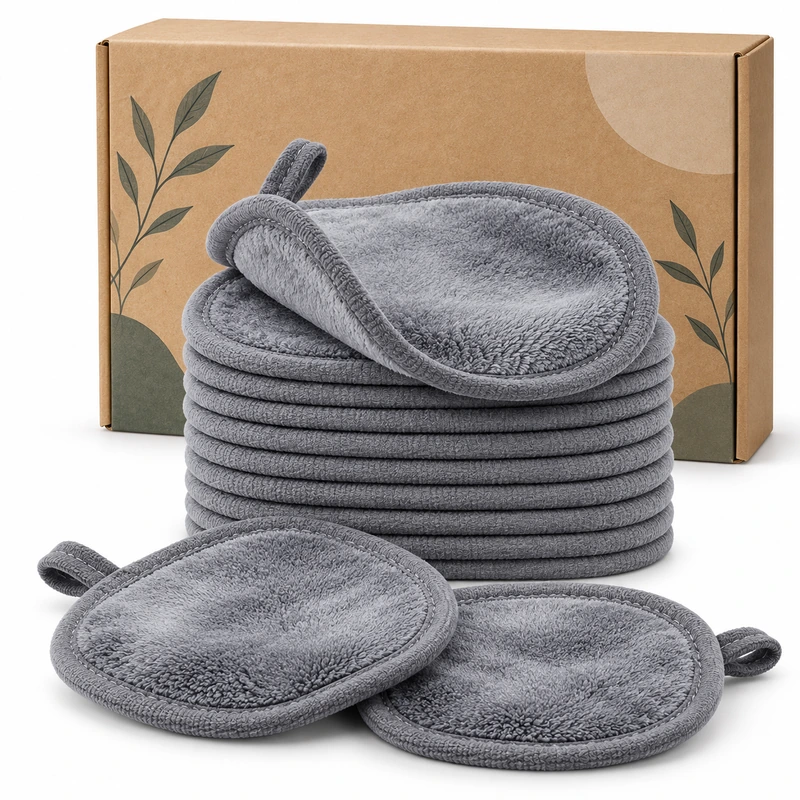
Set a comparable washing test and review fiber evidence before making environmental claims for a reusable cleansing pad.
Read the washing-test checklist →
See how polyester or cotton base fabric and TPU film are identified, fed, laminated and reviewed.
Read the process guide →Connect received fabric, batch identification, visual checks and disposition before production starts.
Read the inspection guide →Turn a reusable textile sample into a controlled product reference before bulk materials are cut.
Read the approval guide →Follow the approval trail from product setup and material preparation through cutting, sewing, inspection and shipment handover.
Read the workflow →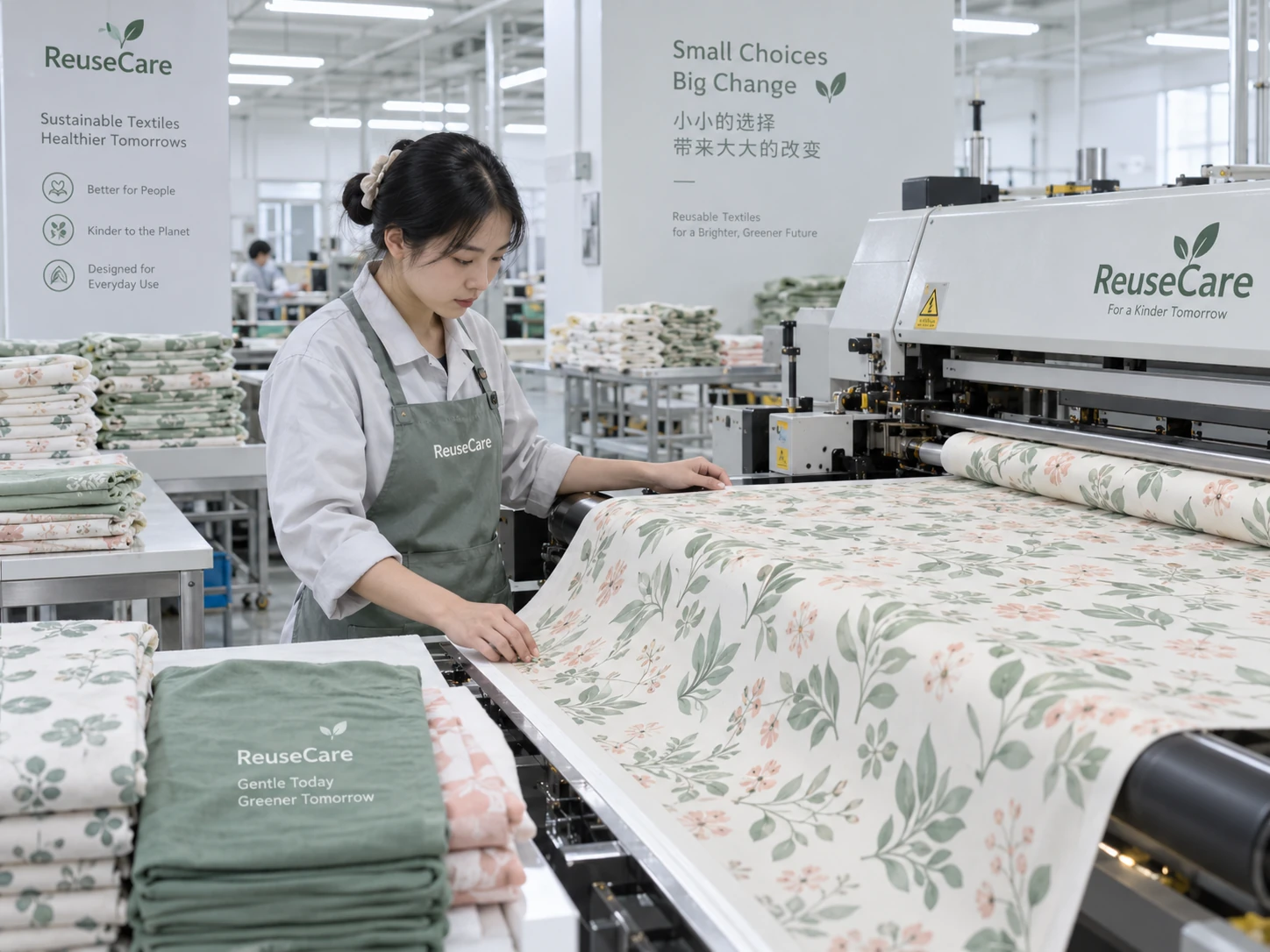
Approve artwork, color, scale, repeat, direction and base material before cutting.
Read the checklist →
Define workmanship checks and feedback points while reusable textile products are assembled.
Read the inspection guide →Connect selling units, artwork revisions, barcodes, variants and carton records.
Read the guide →Prepare the product, material, quantity and packaging details needed for sampling.
Read the guide →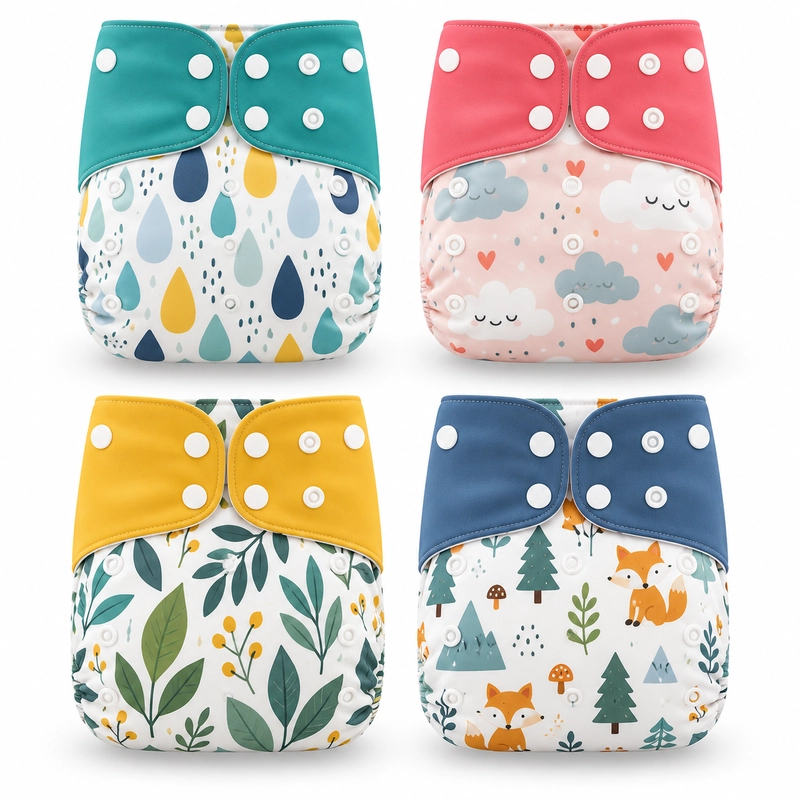
Compare product depth, materials, samples, quality evidence and communication.
Read the guide →Ask the right questions about base fabric, laminate, end use and test requirements.
Read the guide →