
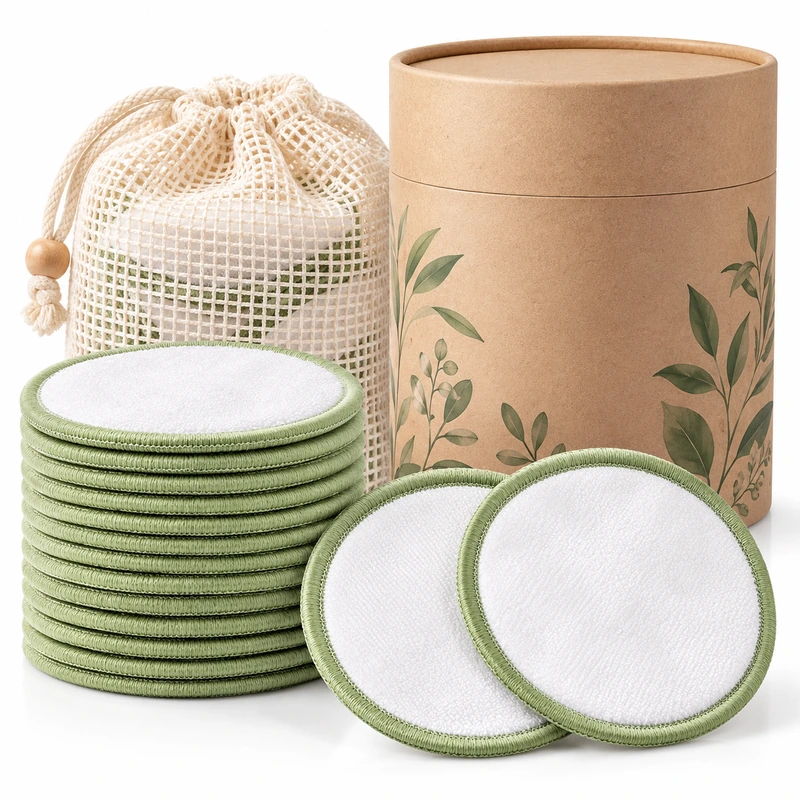
A visual check or a count of loose fibers cannot identify polymer type. First obtain the exact fiber percentages and construction for the tested pad. Then compare identified samples under the same pre-agreed laundering conditions. If the intended claim specifically concerns microplastics, include collection and polymer identification by a qualified laboratory, with the method and limits documented.
Microfiber and microplastic are not interchangeable
“Microfiber” describes a small fiber; it does not, by itself, say what that fiber is made from. A released fiber may be synthetic, cellulosic or another material. Microplastic claims therefore require evidence that the collected particles are plastic, as well as a defined test scope. Do not report all visible lint, fiber loss or shed mass as microplastics.
The European Environment Agency identifies laundering synthetic textiles as a recognized source of microplastic releases and also discusses microfiber release from natural textiles. That distinction matters for reusable cleansing pads: a fiber-release result is not automatically a microplastic result. The EEA briefing provides textile context, not a measured result for a particular makeup pad. Read the EEA briefing on microplastics from textiles.
Likewise, research on cotton/polyester garments cannot establish a shedding rate for makeup-remover pads. Pad dimensions, yarn and fabric construction, edge finishing, dyeing or other finishes, and washing conditions differ. Do not transfer another product's rate or ranking to the pad in your range.
What a laundering standard can—and cannot—tell you
ISO describes ISO 4484-1:2023 as a method for systematic collection and quantification of material loss from fabrics during washing. The standard's description also cautions that results obtained under its test conditions are not directly correlated with domestic or commercial laundering. A standardized result can support a controlled comparison within its stated scope; it does not automatically predict a customer's wash load or prove the environmental impact of a finished pad.
Before commissioning work, ask the laboratory or test provider whether the method is suitable for this finished product and your intended question. Record any departures from a standard, the collection setup, blanks or controls, reporting units and detection limits. A mass-loss result alone does not establish polymer identity.
Before testing: lock down the sample identity
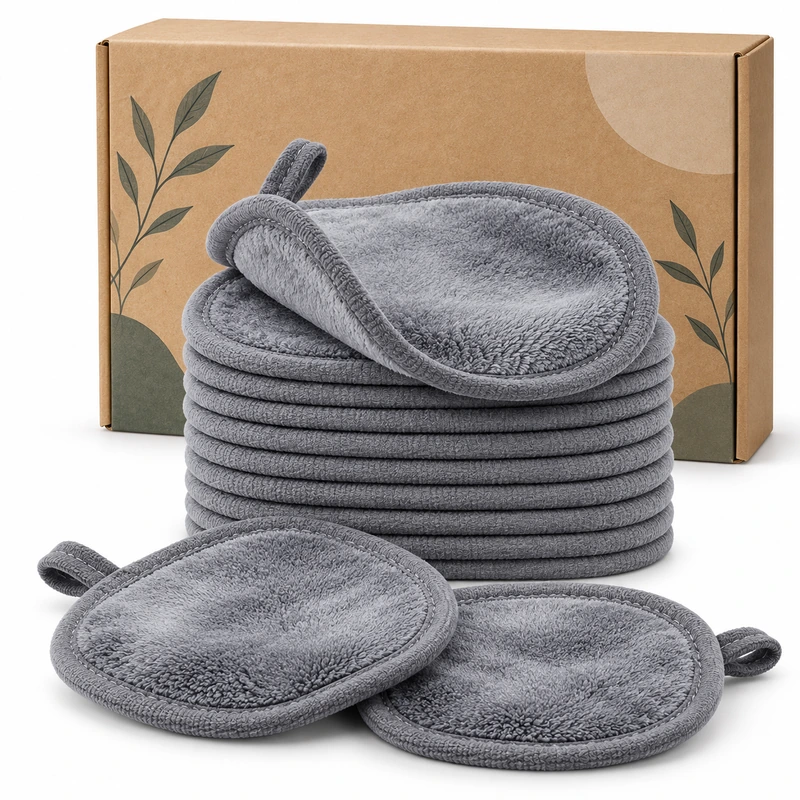
Ask the supplier to identify the exact sample by style and revision. “Microfiber,” “bamboo cotton” or a color name is not a full material declaration. Bamboo-derived fibers can be processed into regenerated cellulosic fibers; “bamboo cotton” does not establish exact fiber percentages or prove that every component is free of synthetics. Get the content of each component and layer in writing, and do not assume natural fiber releases zero fibers.
Buyer washing-test checklist
Agree the test plan with your technical team or qualified test provider before sending samples. Choose conditions that answer the sourcing question and fit the intended care instructions. A comparison is interpretable only when candidate samples experience matching conditions and the report identifies what was actually done.
- Set the comparison. Name each candidate and include a control or reference if appropriate. Use the same pad format, sample count and identified product revision.
- Pre-agree wash cycles. Specify cycle count and whether results are recorded after each interval or only at the end. Do not change the schedule after seeing early results.
- Match laundering conditions. Record machine or apparatus, load, ballast, water conditions, temperature, detergent, dose, cycle, rinse, spin and drying between cycles. Keep these consistent across samples.
- Define collection. Document how wash effluent is captured and filtered, the collection interval, filter handling, contamination controls and any blanks. Ask the lab to explain which particle sizes its method can recover.
- Record pre/post condition. Use a stated conditioning and weighing procedure if comparing mass. Record initial and final mass with the method and precision; photograph the same faces and edges under repeatable lighting.
- Inspect the pad. Note edge fraying, seam changes, pilling, holes, distortion, visible residue and other observations against agreed definitions. Keep visual observations separate from measured collected material.
- Identify polymers when claiming microplastics. Have a qualified laboratory apply an appropriate identification method to collected particles and state the analytical scope, uncertainty, size range and limitations. Do not infer polymer from appearance or color.
- Report transparently. Keep raw results, test conditions, sample identifiers, exceptions, units, blanks, lab identity and report date together. Limit any public wording to the tested sample and conditions.
Mass change, edge photographs and pilling observations are useful product checks, but they are not substitutes for particle collection or polymer identification. A test that counts collected material without identifying its composition can support a material-release observation under those conditions; it cannot by itself support a microplastic quantity.
Evidence before an environmental claim
Before approving copy, match each proposed statement to evidence for the exact finished item, tested construction and stated conditions. Confirm what the method measured, whether the test included polymer identification, how many samples and cycles were used, and whether the result is repeatable and relevant to the advertised care routine. Have the appropriate compliance reviewer assess claim wording for the markets where it will appear.
A controlled test does not establish that a pad is environmentally superior overall, nor does it support an unqualified “microplastic-free” claim. Do not create an eco benefit from a fiber name, a single sample observation or a comparison whose conditions and scope are unclear. Report limitations alongside findings and keep untested variants outside the claim.
Exact RFQ checklist for a shedding assessment
Copy this list into your supplier request so the sample, test plan and eventual claim can be connected to one product specification:
- Product reference, format, finished dimensions and sample revision.
- Supplier-confirmed fiber percentages by component or layer, including face fabric, core, thread, binding and any known synthetic content.
- Construction, edge finish, color and finish details, plus the proposed care label.
- Number of samples per candidate and the reference or control product, if used.
- Pre-agreed wash-cycle count and complete, matched laundering conditions.
- Collection method, filter and particle-size scope, blanks and contamination controls.
- Pre/post mass method and precision, edge and pilling observations, photography conditions and reporting intervals.
- Whether collected particles will be identified by polymer; qualified laboratory, analytical method, reporting units, limitations and report ownership.
- Acceptance criteria established before testing, and who reviews the final report and any proposed claim.
- Quote details: test cost and lead time, sample preparation, shipping, product MOQ, packaging needs and destination market.
Use the approved sample identifier on the quotation, test request and production specification. If a material, color, finish, edge or care instruction changes, check whether the evidence still applies before carrying the claim forward.
Related buyer resources
For a broader sourcing comparison of material labels, formats and sample approval, see Bamboo Cotton vs Microfiber Makeup Remover Pads. To review available formats and nominate a reference sample, visit the makeup remover pad product category.