
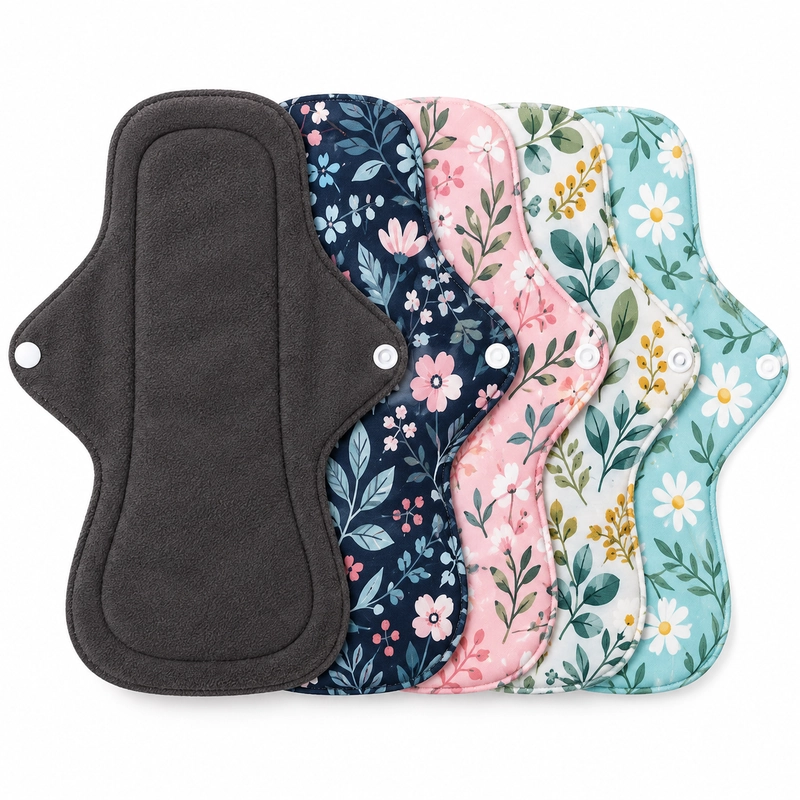
Copy the questions into your own sourcing record, then request answers and supporting documents for the same product revision from each supplier. Record the respondent, date, evidence received, open questions and decision owner. This page is a reusable on-page questionnaire, not a downloadable form or a legal compliance determination.
1. Supplier identity and responsibilities
- What exact legal entity will accept the order, sign the agreement and issue the invoice?
- Which entity receives payment, and how can its bank details be independently verified?
- Who manufactures the product, and what is the exact name and address of each production site?
- Which parties act as seller, manufacturer, exporter, agent or production partner for this order?
- Who owns the product specification, sample approval, change authorization and final quality release?
- Can production steps be subcontracted? If yes, which steps, sites and prior-notice or approval controls apply?
Compare answers with the purchase order, invoice, shipment records and certificate holder. Resolve and document mismatches. A supplier’s description does not decide the buyer’s regulatory role; assess the transaction with the relevant adviser.
2. Product definition and order scope
- What is the supplier’s product code and revision for each proposed SKU, size, colour and print?
- Which destination market and intended sales channel is the quotation based on?
- What are the agreed dimensions, measurement points, tolerances, construction and closure details?
- What quantity applies to each style and variant, and what substitutions are explicitly excluded?
- Which features are standard, customized or undecided? Who confirms each open point?
For reusable pads, define the complete configuration. See the product range and materials and layers guide for the skin-contact layer, core, waterproof layer, backing, edge and fastener. A product name alone does not define construction or performance.
3. Materials and component records
- Can you provide a layer-by-layer bill of materials (BOM) with material descriptions, fibre composition where known, supplier codes and revision?
- Which material lot or batch will be allocated to the order, and how is it identified in receiving and production records?
- What specifications apply to fabrics, films, thread, snaps, labels, inks, coatings and packaging?
- Which material names are descriptive, and which are supported by a supplier specification or laboratory record?
- What happens if a named material is unavailable or a supplier proposes an equivalent?
Ask for a clear distinction between declared composition, supplier specification and independently tested result. If a test or certificate is supplied, note the exact sample, method, issue date, limitations and covered material or product. A component or material certificate does not automatically cover a finished product. Claims depend on the exact holder, scope, validity and ordered SKU.
4. Samples, specifications and performance criteria
- What sample identifier and revision will be used for evaluation, and can it be retained as the production reference?
- How will sample measurements and construction be compared with the written specification?
- For any performance requirement, what test method, sample preparation, conditioning, duration and acceptance criteria are proposed?
- Which party performs or commissions testing, and will a report identify the tested sample and method?
- How are requested sample changes recorded, approved and reflected in the next revision?
Agree evaluation criteria before interpreting observations as results. A demonstration, photo or fabric property is not automatically a finished-product test. Use the sample approval guide to record the reference and deviations.

5. Certificates, test reports and claims
- For each requested document, what buyer question is it intended to answer?
- Who is the exact certificate holder or report applicant, and who issued the document?
- Which article, material, model, site, activity or SKU is named in its scope?
- What are the identifier, issue date, stated expiry or validity status, exclusions and verification route?
- Can the document be matched to the ordered construction and production revision? What remains outside its scope?
- Which label, packaging or website claims are proposed, and what evidence and permissions support each exact claim?
Verify documents with the issuer or scheme where possible. Do not infer that every item in a catalogue is certified or compliant from a company certificate, a component record or one SKU’s report. The certificate review guide and certifications page explain document checks without making an order-specific determination.
6. Quality controls and nonconformities
- What incoming, in-process and final checks apply to this product, and what records identify the lot?
- Who performs each check, using which work instruction, equipment and acceptance criteria?
- Can the buyer review the inspection plan and a redacted example record before production?
- How are defects classified, segregated and dispositioned? Who approves rework or release?
- What information is supplied for a complaint, root-cause review, containment and corrective action?
- Can a buyer or appointed inspector access the goods at an agreed stage, and on what notice?
Set acceptance criteria and lot definition before inspection. Do not infer an audit or laboratory outcome from a quality-system description. Review records for product identity, date, quantity and decision.
7. Traceability, packaging and shipment
- How are incoming material lots linked to production orders, finished goods and cartons?
- What batch, date, SKU or other identification will appear on inner and outer packaging?
- Can the supplier retain production and shipment records for an agreed period and retrieve them by lot?
- What packaging materials, dimensions, language, care text, barcode and artwork revision are specified?
- Who checks final artwork and confirms that claims match the approved evidence?
- What shipping marks, carton counts, packing list and dispatch confirmation will be supplied?
8. Commercial terms, timing and change control
- What price basis, currency, quantity breaks, sample charges and payment milestones are quoted?
- Which Incoterm and named place apply, and who arranges freight, insurance, export and import formalities?
- What production lead time begins after which approvals, deposit or material confirmation?
- What are the quoted minimums, order tolerances, cancellation terms and remedies for agreed nonconformity?
- Which changes require written notice and buyer approval: entity, site, material, process, tooling, construction, packaging or test evidence?
- How are obsolete specifications withdrawn and new revisions distributed to purchasing, production and quality teams?
Keep proposals distinct from confirmed commitments. Ask for current SKU-specific stock and dispatch confirmation in writing. Review the private-label process and submit a scoped quote request.
Close the review with an evidence register
For each answer, capture status as confirmed, pending or not applicable; identify the evidence file or record; note its date and scope; assign an owner and due date for gaps. Before placing the order, reconcile the questionnaire with the final quotation, approved sample, BOM, document set, inspection plan and packaging artwork. Any new version should trigger a targeted review of affected records.
The questionnaire works best as a conversation starter tied to one concrete order. Ask the supplier to explain unclear or conflicting records, and obtain qualified compliance advice where market obligations or claims need interpretation. The result is a more comparable supplier review and a cleaner trail from product concept to dispatch.