
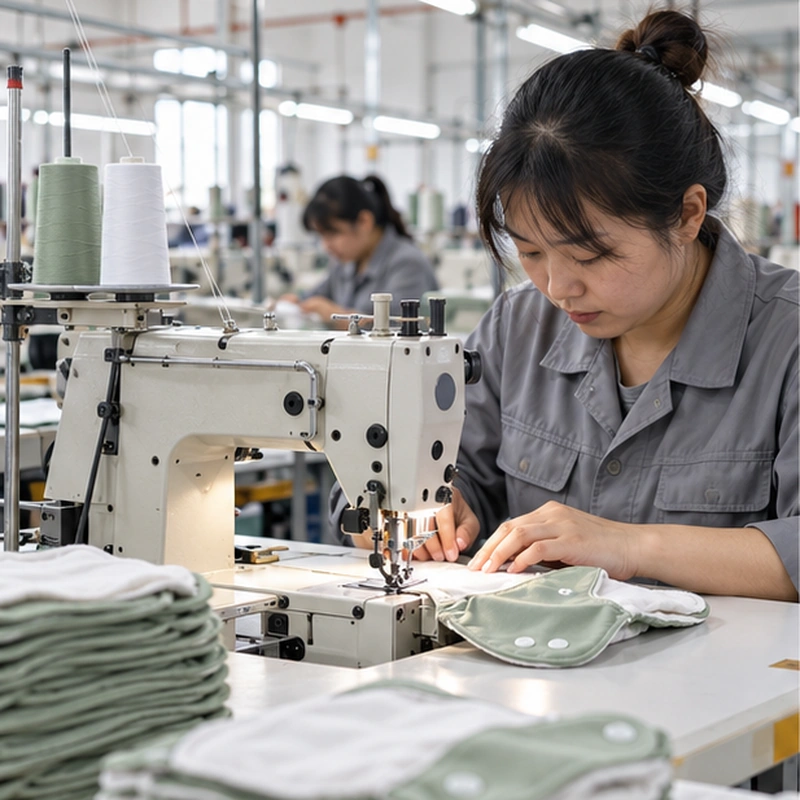
Record each party by its exact legal name and function for this transaction. Ask who accepts the purchase order, who is responsible for product specifications and changes, which site makes the goods, who appears on the commercial invoice, who exports, and which entity holds each certificate. Resolve mismatches in writing before payment or production approval.
One order can involve several distinct roles
A manufacturer may operate the production site and control some production steps. A trading company may sell goods sourced from one or more factories. A brand or sourcing partner may coordinate specifications, samples, quality records or communication while another entity produces the order. These descriptions are useful starting points, not proof of a particular company’s legal status or control.
Separate the commercial relationship from the physical supply chain. The contracting seller is the party that accepts the order under the agreed terms. The manufacturer is the entity identified as making a product or carrying out specified manufacturing steps. The production site is the actual location where a step occurs. The exporter or customs declarant may be another party, and the invoice issuer may or may not be the seller named in the contract. A certificate holder can be yet another entity.
For a buyer importing into the EU, the relevant obligations depend on the product, transaction, destination and parties’ actual roles. This guide does not assign importer or economic-operator status. Establish that allocation with your compliance adviser and the parties to the transaction using current product-specific facts.
Ask for the transaction-specific identity trail
Request the seller’s full legal name, registered address and business identifiers used on the contract, purchase order, invoice and payment instructions. Compare spelling, address and entity identifiers across these records. If documents name different entities, ask what each one does and how the entities are related to this particular order. Verify registry details through the appropriate official source for the jurisdiction, and independently confirm any change to bank details.
Ask the supplier to identify the production site or sites for the exact SKU and order, including which operations occur at each location. A group company name, showroom, registered office or photograph is not itself evidence that a named facility will make the goods. Request a production flow or site statement that distinguishes cutting, printing, lamination, sewing, inspection and packing where those distinctions matter. Confirm whether subcontracting is allowed and who must notify or approve a change.
Then ask who controls the approved specification, sample retention, incoming checks, in-process inspection, final release, complaint handling and corrective actions. The useful answer identifies a responsible party and a record or process, not just a broad claim such as “factory direct” or “full quality control.” The Factory & Quality page and incoming material inspection guide provide questions to use when reviewing the stated controls.
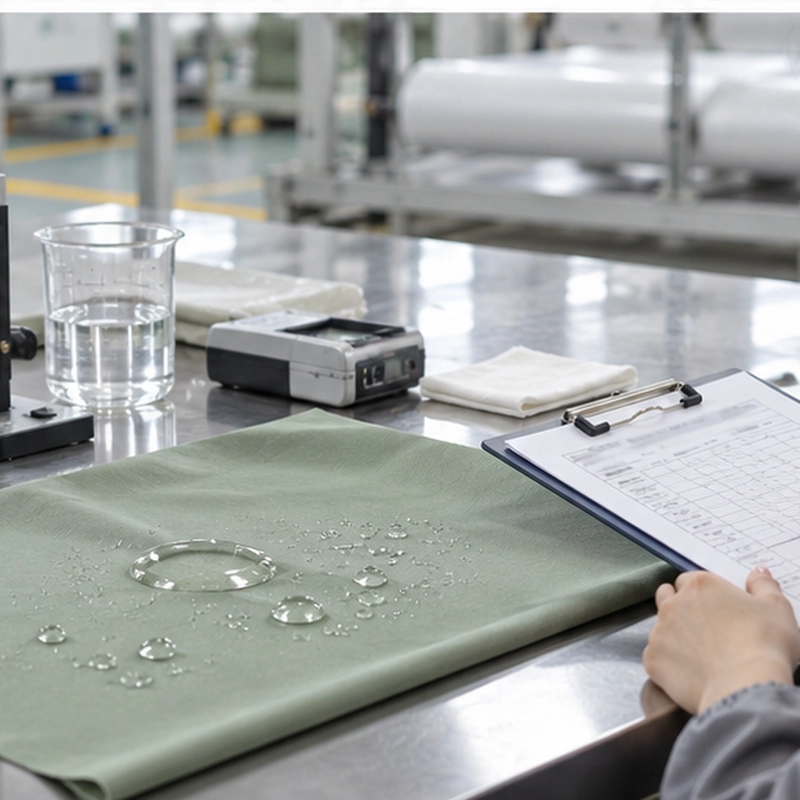
Keep certificate holder and product scope in view
Do not assume that the contracting seller, factory and certificate holder are the same. For each certificate, record the holder’s exact name, issuer or scheme, identifier, validity status, covered site or activity, product category and any exclusions. Check the document with the issuer or scheme’s official verification service where available. Ask the supplier to explain the documentary link between the holder and the goods being offered.
A component or material certificate does not automatically cover a finished product. A certificate belonging to a manufacturer does not automatically cover a trading company’s entire catalogue or every item made at a site. Claims depend on the exact holder, scope, validity and ordered SKU. Compare the certificate’s product or material description with the specification and sample; record any gap instead of inferring coverage from a logo or supplier relationship.
For a deeper review, see how to review certificates and reports for reusable pads and the site’s certification information. Neither a general certification page nor a supplier’s role description replaces current, product-specific evidence.
Make accountability operational
Before production, put the practical responsibilities into the purchase terms or an agreed order specification: who issues the confirmation, who supplies the approved sample, who can authorize a material substitution, who signs off inspection records, who releases the goods, and how defects or document discrepancies are escalated. Specify a response route and evidence expected for a corrective action. Keep the approved specification and the final order confirmation together.
For quality inspection, agree the inspection stage, sampling plan if used, defect classifications, measurement points, tolerances and acceptance criteria in advance. A photo report can help locate an issue, but it needs order and lot identification and a clear disposition. If independent inspection is required, name the scope, timing, access arrangements and who bears the cost. Avoid treating an audit or test from another product, date or site as evidence for this order.
Questions to send before you place an order
- What exact legal entity will sign or accept the order, and which entity will invoice and receive payment?
- Which named site will perform each production step for this SKU, and can any step be subcontracted?
- Who is the exporter or customs declarant, if applicable, and what records identify that role?
- Which entity controls the approved specification, sample, change approvals and final release?
- For each certificate or test report, who is the named holder or applicant, what precise product or material is covered, and is it current?
- What documents link the ordered SKU and revision to the named factory, material lot and shipment?
- Who must notify us before a change to entity, site, material, construction, process or packaging?
- Who handles a nonconformity, and what containment and corrective-action records will be shared?
Apply the role map to the product brief
When comparing suppliers, request the same answer set from each one. Link it to a specific product, revision, order quantity and destination so the responses are comparable. For washable menstrual pads, include the layer construction, fabric details, closure, dimensions, care information, packaging and intended claims. The materials and layers guide can help structure the technical brief; the private-label page covers branding and packaging discussions.
For the product range and a scoped commercial discussion, visit reusable menstrual pads or submit the details through Request a Quote. State what is confirmed and what remains to be verified. That keeps the supplier relationship, documentary evidence and order accountability aligned without relying on an unverified label.