

This incoming-material record uses a target fabric weight of 160 g/m², a 1 cm width tolerance, color-difference grades 1–2, and a roll-sampling rule of 10 rolls from every 100 rolls. Batch numbers are scanned at every workflow step from warehouse receipt through production, with review by Mike, Quality Control Lead.
1. Start with identification, not assumptions
Each received material should be matched to the purchase or production reference before it is released. The material record can include the product or order reference, supplier or lot identification where available, colour or print reference, receiving date and storage location. This keeps a visual inspection from becoming an untraceable one-off observation.
2. Review sampled rolls while the label is still connected
For the incoming-roll sampling rule, inspect 10 rolls from every 100-roll lot. Keep the roll label and batch number with each observation so a photograph, measurement or color note cannot be separated from the material it describes. Inspect the selected rolls on a clean surface, compare them with the applicable reference and document any observation that needs a decision.
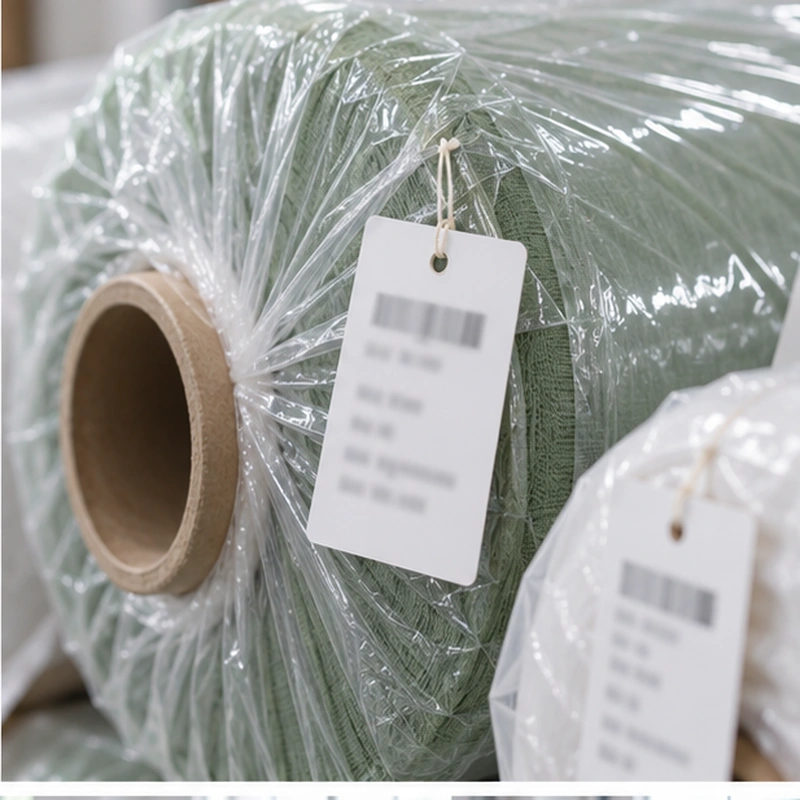
3. Scan the batch through every workflow step
The batch number is tracked by scanning at every process from warehouse receipt to production. The scan record follows the material through its workflow and keeps the physical roll connected to its incoming inspection, storage or hold status, material issue and production-release record. If a roll is moved, split, held or released, the corresponding scan should preserve that trace rather than relying on a handwritten note alone.
4. Release only after the review is clear
A release decision should be understandable to the next person in the workflow. If a material is accepted, the record should say why, identify the reviewer and retain the latest batch scan. If it is on hold, isolate it from approved material and record what evidence or clarification is still needed. Mike, Quality Control Lead, reviews the incoming-control record before the material is treated as released.
5. Keep realistic claims connected to evidence
Incoming visual inspection does not replace a laboratory report, certificate, composition analysis or finished-product performance test. If the buyer needs any of those items, specify the required document, sample, method and scope separately. Photos can show what was inspected; they should not be presented as proof of a property that was not actually tested.
Incoming-inspection record checklist
- Order, product or sample revision reference.
- Material, color or print reference and roll or batch identification.
- Target weight: 160 g/m².
- Width tolerance: 1 cm.
- Color-difference grade: 1–2.
- Sampling rule: 10 rolls from every 100-roll lot.
- Scan record from warehouse receipt through every process to production.
- Date received, quantity, storage location and disposition.
- Mike, Quality Control Lead, review date and any corrective action.