
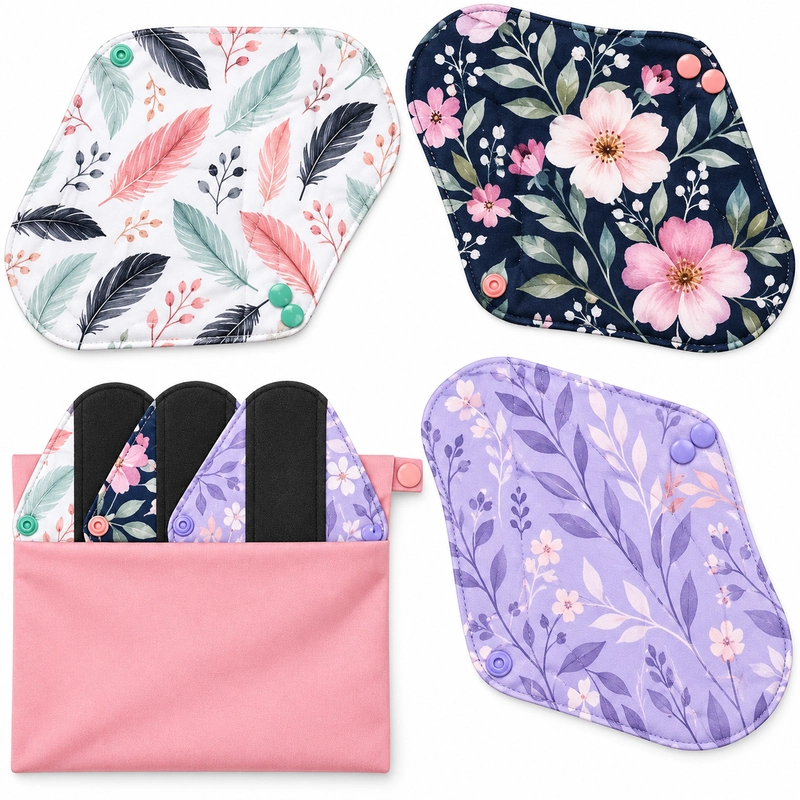
For every ordered SKU, compare the supplier’s current stock reference, exact variant, BOM or material specification, relevant certificates and test reports, physical sample, allocated lot and dispatch records. If a link is missing, record the gap and ask for evidence. A document that cannot be connected to the ordered configuration should not be treated as proof for that configuration.
Why catalogue stock needs its own evidence check
“In stock” describes inventory at a particular time; it does not identify every detail of the goods. A style may have multiple sizes, prints, packaging versions or revisions, and replenishment may use later material lots. A photo or previous order does not confirm the variant or lot allocated to a new purchase.
Start with a dated written offer or pro forma that identifies the seller, product code, SKU, description, variant, quantity, unit configuration, packaging and destination. Ask the supplier to confirm whether the goods are physically available, reserved for the order or subject to a final check. Record the confirmation date, how long it applies and any conditions. Treat dispatch timing as a separate confirmation; a stated dispatch window is not a delivery date.
Step 1: Freeze the ordered SKU and revision
If needed, assign a buyer-side identifier. Record product name, SKU, size, colour or print, closure, packaging, artwork and revision. Attach a drawing when visual similarity could hide construction differences. Confirm that quote, sample, BOM and stock refer to the same variant.
For a mixed order, make one row per variant instead of one row per product family. One style may have several sizes or colors with different materials or labels. Maintain a master row for shared construction only where the supplier confirms those details are common; preserve separate rows for any differing components.
Step 2: Compare the BOM and sample
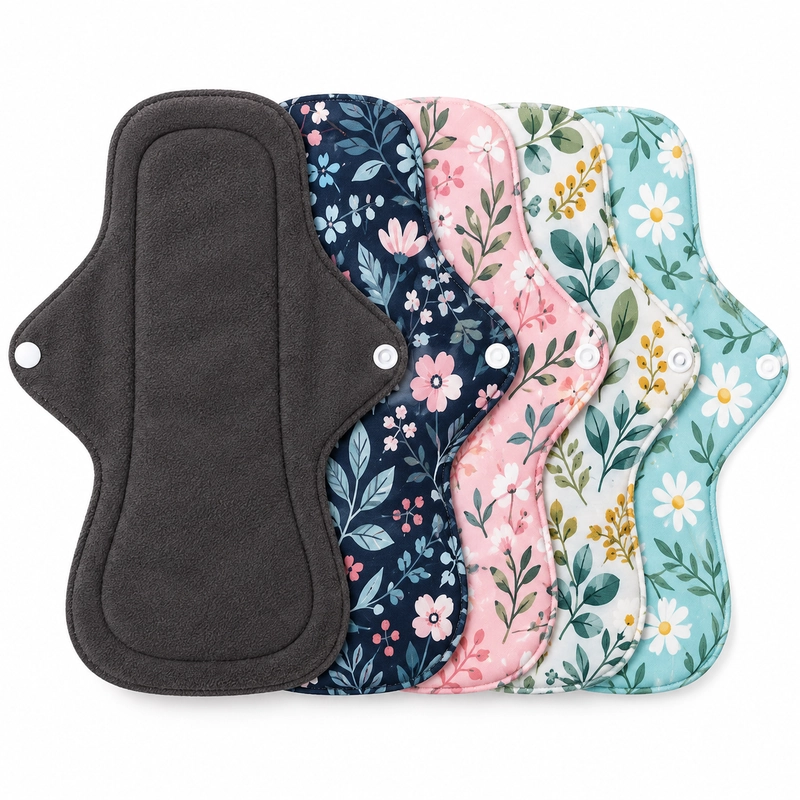
Request the BOM or equivalent material schedule for the ordered revision. It should identify each component’s position and a sufficiently specific material description: skin-contact fabric, absorbent layers, waterproof layer, backing, thread, fastener, label, print process and packaging as relevant. Record supplier material codes and revisions where provided. If a full BOM is commercially sensitive, ask for a controlled summary that still lets you assess the claimed scope.
Compare a sample’s layers, visible construction, dimensions, closures, labels and packaging with the record. Note its ID, receipt date, reviewer, photos and differences. Appearance alone cannot confirm fibre composition or hidden components; request suitable evidence.
Step 3: Match every document to its question
Create a document register with one line per certificate, test report, declaration or specification. Capture the issuer, holder or applicant, document identifier, issue date, stated validity, product or sample description, material or SKU, method and edition where relevant, results, exclusions and verification source. Note what buyer question the document is intended to answer. A test report is not automatically a certificate, and a declaration is not independent laboratory evidence.
Compare the document’s named sample or covered scope with the ordered BOM and revision. Confirm whether it covers a material, an assembled item, a named product group, a site or a particular activity. Check whether any reported colour, finish, construction or manufacturing step differs. If the document names a material only, do not silently represent its result as applying to the finished item.
A component or material certificate does not automatically cover a finished product. Claims depend on the exact holder, scope, validity and ordered SKU. Do not infer that every item in a catalogue is certified or REACH-compliant. Check the current original document and, where available, verify it with the issuing body or scheme. See EU certificate and report review guidance for a fuller scope check.
Step 4: Link materials and production to the lot
Ask how the supplier identifies incoming material lots and links them to work orders, finished-product batches and cartons. Record the lot or batch references allocated to your order and the dates associated with production or receipt, if available. If stock was produced earlier, ask whether the retained sample, production record or material record identifies that stock’s actual revision and lot.
Compare the named production site and responsible entities with the evidence register. The document holder may differ from the seller or producer; ask for the link to the goods rather than assuming names should be identical. The guide to manufacturer, trading company and partner-factory roles outlines the identity checks. For each relevant quality record, confirm the SKU, lot, inspection date, method, criteria, outcome and disposition. Never extrapolate an inspection or report from a different lot without a justified scope.
Step 5: Reconcile dispatch and received goods
Before dispatch, confirm SKU quantities, lot or carton identifiers, packaging revision, carton count and shipment date. Match invoice, packing list, shipping marks and order confirmation. Resolve substitutions or short shipments before goods leave; retain transport and customs records when available.
On receipt, compare carton details with the packing list and inspect a defined sample against the approved reference. Record quantity, damage and variances with shipment identifiers and date. Notify the seller and document disposition of mismatched goods. This check does not replace product-specific regulatory assessment.
A practical matching table
- SKU and revision: supplier code, size, colour or print, packaging and confirmation date.
- BOM: component position, material description, supplier code and revision.
- Sample: sample ID, date, comparison notes, approved reference and reviewer.
- Certificate or report: issuer, holder, identifier, covered scope, validity and limitations.
- Lot and quality: material lot, production batch, site, inspection record and release decision.
- Dispatch: confirmed quantity, carton IDs, packing list, invoice and shipment date.
- Open items: unresolved discrepancy, owner, requested evidence and decision deadline.
Mark each relationship as matched, partially matched or pending, with a short reason. For example, a test report may match a named fabric but remain partial for the assembled SKU because other layers are not identified. That is a precise finding; “certificate on file” is not.
Ask these questions before relying on the file
- Does this document identify the exact ordered SKU, or a component used in it?
- Does the sample reflect the BOM, revision, colour and construction of the stock allocated to this order?
- Who holds the certificate, what precisely is in scope and how is current validity checked?
- Which production and material lots are allocated, and what records connect them to the cartons?
- Has any substitution or change occurred since the document sample or approved reference was created?
- Which evidence will accompany final dispatch confirmation, and who resolves a discrepancy?
Use the supplier questionnaire to gather these answers consistently. Browse reusable pad styles, discuss branding through private label, or share the SKU and destination through Request a Quote. Request a current, order-specific stock and document confirmation before making a purchasing decision.