
Use OEKO-TEX’s official Label Check with the number shown on the label or certificate. Compare its returned certificate information with the supplier’s document and your purchase specification. Confirm holder, class, certified article, scope, status and validity; a component or material certificate does not automatically cover a finished product.
What STANDARD 100 evidence is intended to identify
OEKO-TEX STANDARD 100 is a textile product label associated with testing for harmful substances. For procurement, the important question is not simply whether a supplier mentions the standard. It is which named article was certified, under whose certificate, for what scope and validity period. The official STANDARD 100 information explains the scheme; the OEKO-TEX Label Check is the practical starting point for checking a label number.
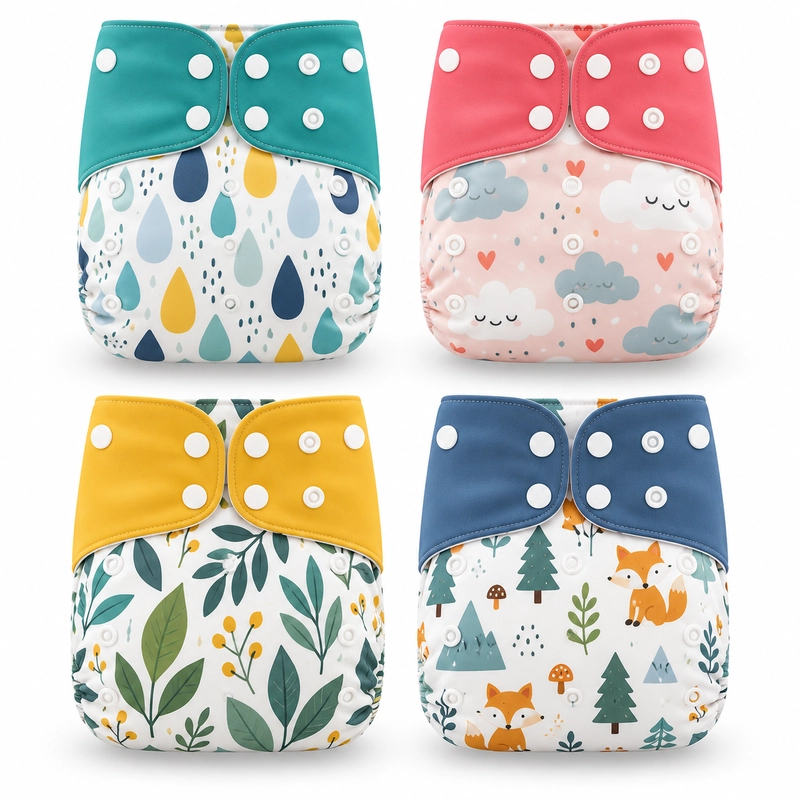
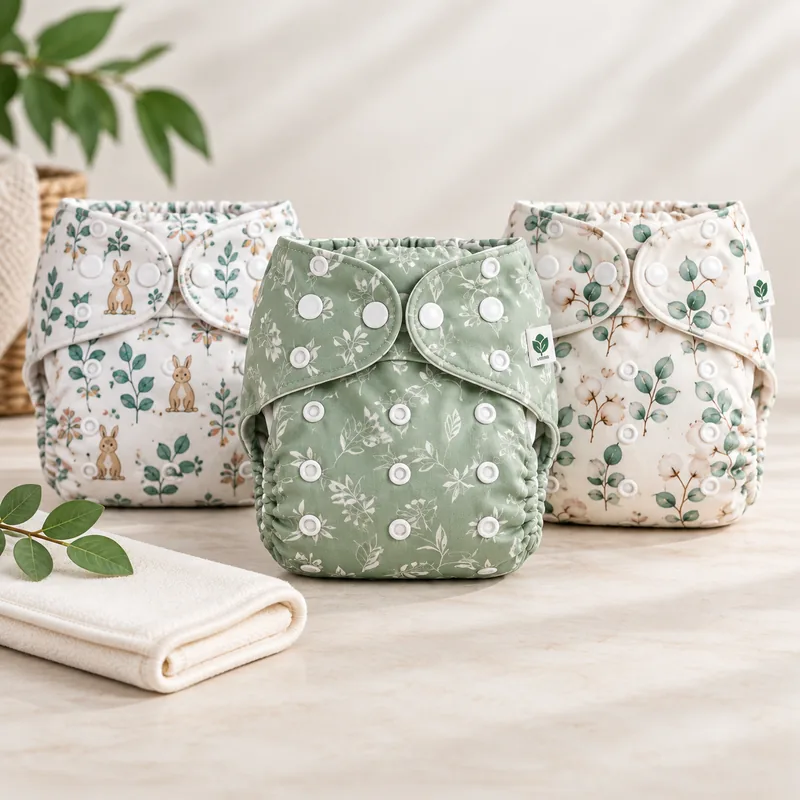
Before requesting records, identify the SKU and revision you intend to buy. For a cloth diaper, that may include cover or shell, absorbent insert, elastic, snaps, thread and any laminated or coated layer. For a reusable pad, document the face fabric, absorbent core, backing, closure and finishes. Record color or print, dimensions and relevant construction differences. This product map gives both buyer and supplier something concrete to compare with the certificate.
Verify the number and holder
Enter or search the label or certificate number using the official Label Check. Confirm that the returned information corresponds to the number supplied, and save a dated copy or internal note of the check for the purchasing file. If the number is unreadable, incomplete or yields no matching record, ask the supplier for a legible current certificate and an explanation from the certificate holder or certification body. Do not infer a valid certificate from a logo image or a past marketing page.
Next compare the certificate holder’s exact name with the company identified in the document and the supplier’s explanation of its role. A factory, material mill, brand owner and trading company may be different entities. Ask which entity holds the certificate and how the product being offered is connected to that holder. A name similarity is not enough to establish that the certificate applies to your goods.
Read class, article and scope together
Check the product class stated in the certificate or official record. STANDARD 100 classes relate to intended use and skin contact; do not select or assume a class based only on a product name. Compare the class and certified article wording with your product’s intended use and complete construction. If the language is broad or unclear, ask the holder or certification body to identify the included article and any limitations in writing.
Pay particular attention to what the certificate calls the article. It may name a material, fabric, component or finished textile product. A fabric or insert certificate is evidence about the article within that document’s scope; it does not automatically establish that a sewn diaper or reusable pad, including its other layers and accessories, is covered. The finished product is covered only if the certificate scope explicitly includes the applicable finished article and the SKU’s construction matches it.
Make a side-by-side scope check: certificate article and product wording; supplier model or code; purchase SKU; materials and components; construction or revision; color or variants where specified; and any stated exclusions. If the certificate lists a product family, obtain clarification about which variants fall within that family. Treat unanswered differences as open verification questions rather than silently assuming coverage.
Check status, validity and changes
Review issue and expiry dates, current status and any restrictions shown by the official check or certificate. Check on the date of review; a saved PDF may be old, and validity can change. If an expiry date or status is not visible, ask the holder or certification body to confirm the current position. Do not treat a certificate number alone as proof that a certificate remains current.
Connect the record to a controlled product revision. Ask whether the materials, supplier, production site, processing, finish, color range or construction changed since the certificate was issued. A change can make an older scope description insufficient to establish a match, even if the certificate itself still appears current. Request a documented scope clarification or updated evidence where needed, and keep the approved specification and certificate together.
Questions to send with a document request
- What is the certificate number, holder name and current status shown by Label Check?
- Which article and product class are covered, and is it a component or the complete finished SKU?
- Which models, materials, colors, production sites or variants are included or excluded?
- What are the issue and expiry dates, and how are changes to the certified article controlled?
- Does the scheme permit the proposed label or claim on this exact product and packaging, and what approvals are needed?
For private-label artwork, verify claim and mark-use rules separately from technical scope. Permission to reproduce a label cannot enlarge the article covered by the certificate. Do not place a claim on a diaper, pad, pouch or package until the product match and any required permissions have been confirmed by the relevant parties.
Keep the evidence attached to the order
Maintain a simple record with the SKU and revision, certificate number, holder, official-check date, class, certified article, validity, variants reviewed, open questions and reviewer. At sample approval, compare the actual sample and bill of materials with that record. Before repeat production, check whether the order uses the same specification and whether the certificate remains current.
This guide explains a buyer verification process; it does not state that any ReuseCare product is certified. Claims depend on the exact certificate holder, scope, validity and ordered SKU. A component or material certificate does not automatically cover a finished product. For product-specific documents, see certification information, the compliance page, and the guide to EU product documents. For a quote, identify the intended product and revision using reusable pads or cloth diapers, then send the product brief.