
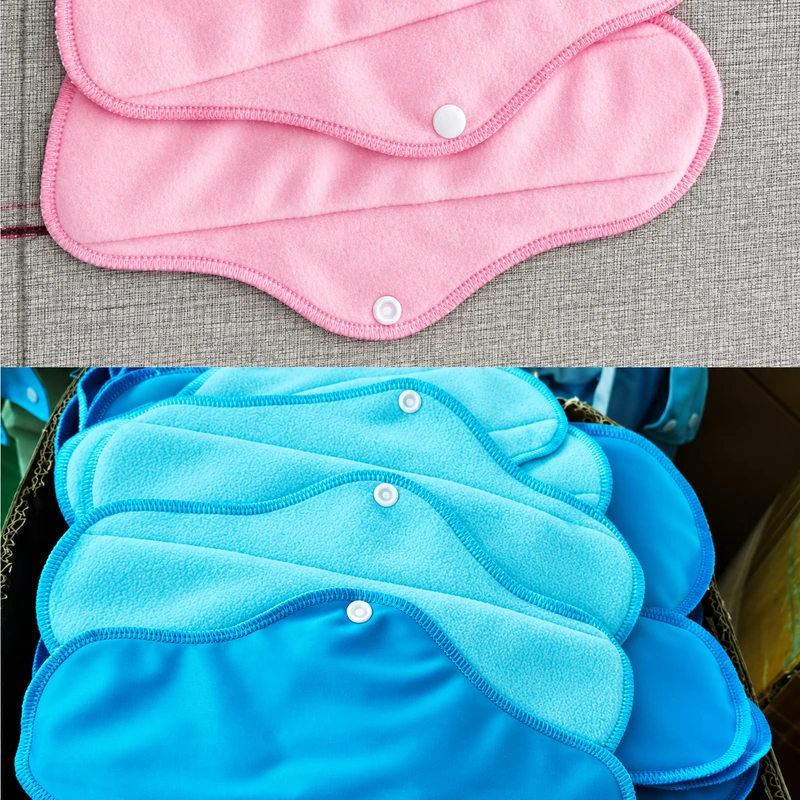
For sea or inland waterway transport, CIF names a port of destination. The seller arranges and pays for carriage and insurance to that named port, while the risk of loss or damage transfers when the goods are loaded on board the vessel at the port of shipment. That split means arrival at the destination port does not mean the seller carries transit risk all the way there. Confirm the named place, the contract wording, insurance details and each excluded cost before comparing totals. See the ICC Academy explanation of CIF and CIP under Incoterms® 2020.
Separate the destination cost from the risk point
Under CIF, the seller contracts and pays for carriage to the agreed destination port and obtains cargo insurance for the buyer’s benefit as required by the rule. Delivery and risk transfer occur earlier, when the goods are on board the vessel at shipment. If a problem occurs after loading, buyers should understand how the insurance responds, what evidence is required and how to make a claim. Ask for the insurance certificate or policy details, insured party, insured amount and coverage terms, including exclusions and claims contact.
CIF is for sea and inland waterway transport. It does not automatically include unloading, terminal handling, customs clearance, import duty, VAT or other destination charges. Who pays particular port handling costs can depend on the carriage contract and local arrangements, so ask the seller and destination agent to identify them explicitly. For containerized cargo handed to a carrier before it is loaded aboard a vessel, ask the parties whether another rule better fits the shipment and contract chain.
Begin with the goods and order unit
A freight-inclusive amount is only comparable when the goods being shipped are defined. Identify the pad style, size mix, materials, pack count, packaging, quantity and the commercial unit used for pricing. Confirm whether the quoted quantity is individual pads, retail or distribution bags, or cartons. Request the extended goods value separately from freight and insurance, even if the supplier provides a combined CIF total.
For order arithmetic, if a buyer requests 80,000 four-pad bags, that is 320,000 pads; if the need is 80,000 pads in four-pad bags, it is 20,000 bags. Those are unit conversions only, not freight estimates, carton counts, shipping capacity or transit assumptions. A route-specific CIF Maputo amount remains to be quoted against confirmed product, packaging, shipment details and current carrier and insurance terms.

Ask for an itemized CIF quotation
- Goods description, style or SKU, pack contents and quantity basis.
- Unit value and extended goods value, currency, quote validity and payment currency.
- Named port of shipment and the exact named destination port followed by “CIF” and “Incoterms® 2020.”
- Ocean freight amount or clearly identified freight component, basis and any known surcharges or conditions.
- Insurance provider, insured party, coverage wording, amount, policy or certificate and claims process.
- What is excluded: destination terminal or unloading fees, customs broker, duties, taxes, inspection fees and inland delivery, as applicable.
- Estimated shipment schedule only when confirmed, with the event each date describes.
- Document set and timing: commercial invoice, packing list, transport document, insurance evidence and origin or other documents required by the buyer.
Ask the supplier to identify any cost whose payer depends on the booking arrangement rather than leaving it hidden inside “freight.” Compare offers only after confirming they cover the same product, quantity, named port, insurance scope and destination-side exclusions.
Keep import costs and delivery responsibilities visible
Import clearance and duties are not automatically included in CIF. Check the destination country’s applicable tariff classification, duty, taxes, product documentation and import procedures with your broker or competent local adviser. Confirm who is importer of record, who will submit declarations, and who pays for port handling, inspection, storage or onward transport. Such amounts depend on the route, shipment, contract and local rules; do not assume them from a CIF label.
Write down the handover points: who books the vessel, who supplies shipping instructions, who reviews draft documents, who receives arrival notices, who arranges clearance and who contacts the insurer if a claim arises. Agree how document corrections or shipment changes will be handled.
An anonymized buyer example: compare the quote, not just the headline
A bulk buyer reviewing a shipment to Maputo can ask suppliers to quote the same pad assortment, the same number of bags, the same named port and the same Incoterms® version. One proposal may show product value, ocean freight and insurance as separate lines; another may show a combined CIF total. Request a matching breakdown and list destination charges separately. Without the shipment’s confirmed details and current carrier and insurance terms, the CIF Maputo amount remains to be quoted.
Keep the buyer identity, correspondence, negotiated payment terms and private offer out of public comparison material. Share only the details suppliers need to prepare a current offer.
Documents to request and reconcile
Before approving shipping documents, reconcile the commercial invoice and packing list to the purchase order: product names, quantities, unit values, pack definitions, marks and consignee details. Check the transport document against the contracted named ports and booking, and obtain insurance evidence consistent with the agreed CIF coverage. Request origin, inspection or other documents required for that buyer and destination, and have the importer or broker confirm the destination-specific document list.
Ask for draft documents early enough to resolve errors before final issuance. A document checklist is not a guarantee of import eligibility; product, customs and documentary requirements should be confirmed for the specific shipment.
Send a quote-ready shipping request
Include product specification and sample status, quantity by style and pack, named destination port, requested Incoterms® 2020 rule, desired shipping window if known, consignee/importer details when appropriate, destination document needs and the requested breakdown of goods, freight and insurance. Ask suppliers to state exclusions and assumptions explicitly. For product and packaging planning, see the individual packaging guide and materials and layers guide; for commercial product scope, browse the reusable menstrual pad range and manufacturing cost guide.
Submit the confirmed product and destination details through the reusable menstrual pad quote request. Shipping cost and timing can be quoted only after route and shipment details are reviewed.