
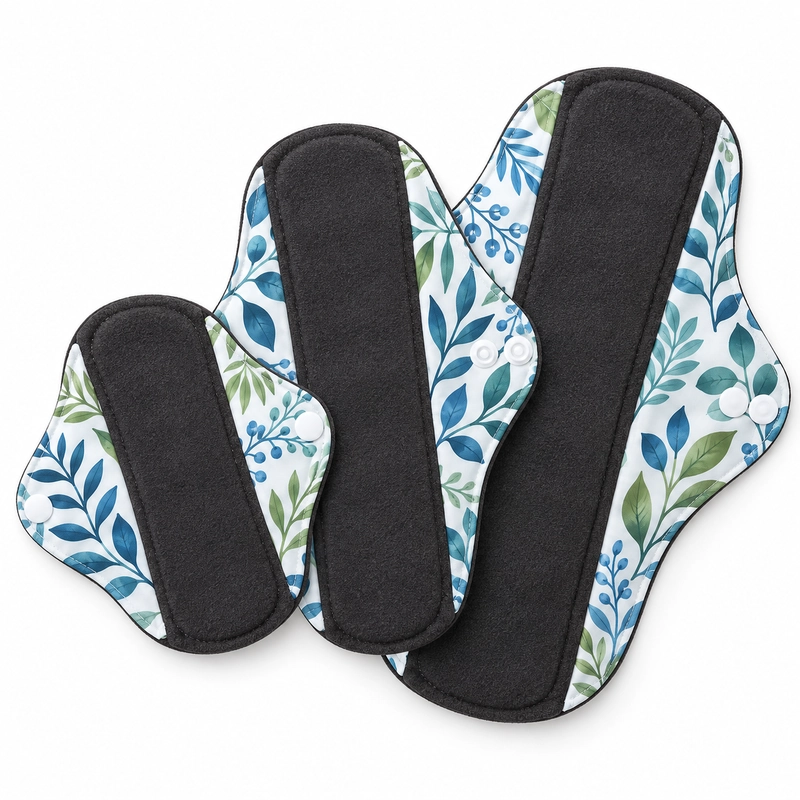
Build day and night as two use briefs, each with its own coverage, fit, closure, construction and acceptance checks. A night label does not automatically mean longer, wider or more absorbent, and a daytime label does not specify a particular shape. Confirm the actual measurements, materials and any performance target for the selected sample.
Define the situations before choosing the pattern
“Day pad” and “night pad” are familiar retail labels, but customers can interpret them differently. Some may prioritize a lower-profile shape under daytime clothing; others may care most about movement, wings or overnight coverage. The language alone cannot tell a factory how to cut, sew or inspect a product. Translate each label into the user situation and the physical design features your brand wants to review.
For every intended variant, write who it is for, when it is used, how it should sit in the underwear and which coverage areas matter. Keep those needs separate from facts that still need supplier confirmation, such as the final dimensions, layer build and materials. ReuseCare's higher-coverage and heavy-flow product route can help frame a discussion, while the full reusable menstrual pad range provides the other category routes.
Compare the decisions that can change between variants
Practical day, night and larger-flow selection matrix
Use this buyer worksheet as a qualitative comparison, not as a universal product class or performance claim. Agree dimensions, materials and any finished-product evaluation before reviewing samples.
| Use brief | Buyer defines | Compare on sample | Confirm in quote |
|---|---|---|---|
| Daytime | Wear context, preferred profile, target coverage and movement needs. | Placement on the agreed underwear reference, wings and snaps, edge finish and comfort observations. | Style, dimensions, layer map, quantity, packaging and agreed checks. |
| Nighttime | Sleep or movement context and coverage areas to review. | Coverage against the approved pattern, placement stability and agreed construction checks. | Separate style or revision, dimensions, construction, quantity split and acceptance points. |
| Larger-flow / higher-coverage use | Describe intended use and desired coverage qualitatively; list questions for sampling or testing. | Compare the identified sample with agreed coverage and any predefined finished-product method; record observations without treating them as a universal guarantee. | Exact variant, materials by position, evaluation method, pass criteria, quantity and open questions. |
Do not translate a night or larger-flow label into an assumed absorbency volume, layer count or guaranteed wear duration. Product-specific claims need evidence for the exact finished style.
These fields are a comparison framework, not a universal design standard. A buyer may choose shared materials with different patterns, or different material combinations for each use case. Record that choice explicitly so that a sample revision captures what changed. The material and layer guide helps separate material names from their positions in the finished product.
Make day-versus-night review reproducible
Ask for each requested version to carry an identifier and revision. Review both with the same reference points: outline and coverage, finished dimensions, closure placement, edge finish, label location and any functional checks agreed in advance. If a night sample differs from the daytime one in more than pattern, record those differences rather than assuming they are obvious from the color or shape.
Where leakage resistance or absorption is part of your product brief, state what test is expected for the finished item. Agree on sample conditioning, test setup, observation period and pass/fail criteria before review. A fabric test can provide evidence about the tested fabric under that method; it does not automatically prove the finished sewn pad's result. See the waterproof testing guide for how to document a textile check, and apply a product-specific method to the sewn item if your brand requires one.
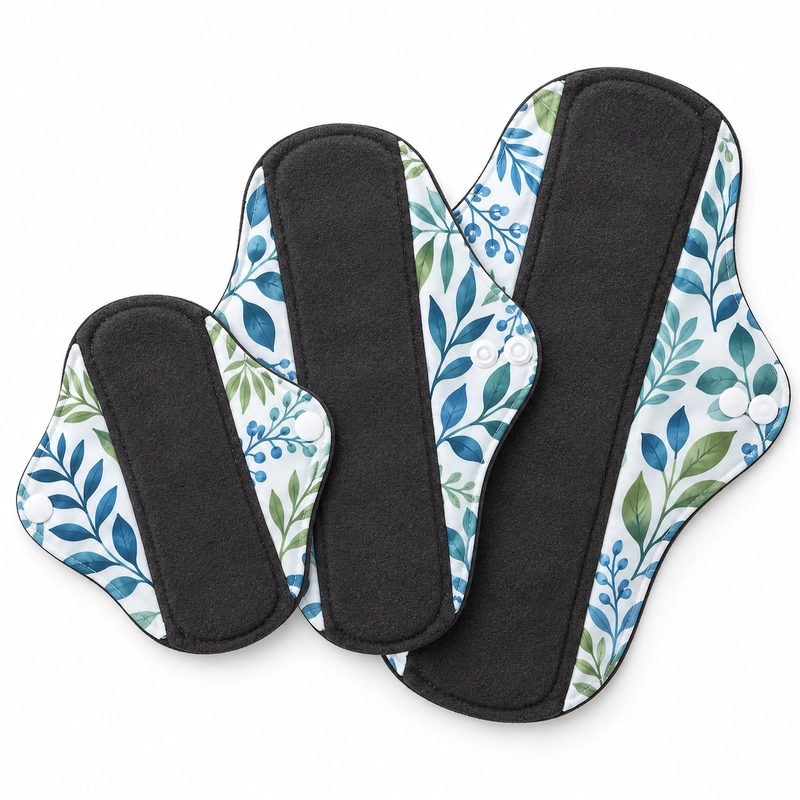
Use a fit and coverage worksheet
A compact worksheet makes feedback more actionable than “make the night one bigger.” Include sketch or pattern reference, length and width measurement points, wing dimensions, snap position, intended placement, fabric face, backing, label and pack format. Give each field a status: confirmed, sample to review or open question. If the supplier suggests a change, describe which field changes and issue a new revision for review.
During sample review, use the underwear or fitting reference agreed for the project. Check whether the product stays in the intended position during the movement scenarios you selected. Record observations consistently and avoid generalizing from a single fit check to every wearer or use condition. If the fit is not right, note where coverage or placement needs adjustment and whether the pattern, closure or material needs another sample.
The approved item should connect back to its version record. ReuseCare's sample approval guide describes how to keep sample identifiers, modifications and approval together before bulk production. This is especially useful when two products share a print but differ in shape, or when the buyer approves one variant before the other.
Quote a range by variant, not by one vague total
Send quantities for each day and night style separately, along with size or pattern mix, print needs, packaging and destination. ReuseCare confirms basic finished-style minimums from 5 to 300 pieces depending on product. Custom finished-product printing starts from 300 pieces. Confirm the applicable minimum for each selected style and how the quantity split affects the quote. Ask for any sampling or custom packaging charges and timing separately.
Confirmed in-stock styles may dispatch within two days after stock is verified; dispatch is not delivery, and it is not a production or transit estimate for a custom range. The manufacturing cost guide explains common quote inputs such as materials, variant count, decoration and packaging. To compare suppliers fairly, request separate lines for sample, product, printing, packaging and transport rather than combining unconfirmed assumptions into one number.
Buyer checklist for day and night reusable pads
- Define the intended wear situation for each variant.
- Provide a pattern, reference or requested measurement points for coverage and wings.
- Specify closure, placement and fit scenarios to review.
- Record the requested material blend and position, or list them as open questions.
- Agree which sample checks matter and how each will be performed.
- Assign a separate style code or sample revision when construction differs.
- List quantities, logo artwork, packaging and destination by variant.
- Ask for sample and customization timing as quote-specific items.
This process gives the product name a useful role while preventing it from carrying technical promises it was never designed to communicate.
Frequently asked questions
Are night reusable pads always longer or more absorbent than day pads?
There is no universal finished-product standard implied by the day or night label. Define the required coverage, fit and evaluation target for each variant, then confirm dimensions and construction in the quote and approved sample.
How should I compare day and night pad samples?
Record a separate specification for each use case and compare named sample revisions using the same preparation, method and pass criteria. Assess fit, coverage, closure and any agreed functional checks without assuming a result from appearance.
How should I specify a larger-flow reusable pad?
Describe the intended use and desired coverage qualitatively, then agree the exact sample, construction, evaluation method and pass criteria. Do not infer an absorbency volume or wear-time guarantee from a larger-flow label.
Can day and night pads share one print or package?
That depends on the selected product, artwork and pack plan. Specify the style mix, print placement, labels and individual packaging by variant, then confirm options, applicable minimums and timing in the product-specific quote.
What does ReuseCare confirm about minimum quantities and dispatch?
Basic finished-style minimums range from 5 to 300 pieces depending on product; custom finished-product printing starts from 300 pieces. Confirmed in-stock styles may dispatch within two days, but dispatch is not delivery. Sampling and custom packaging timing are quoted separately.