
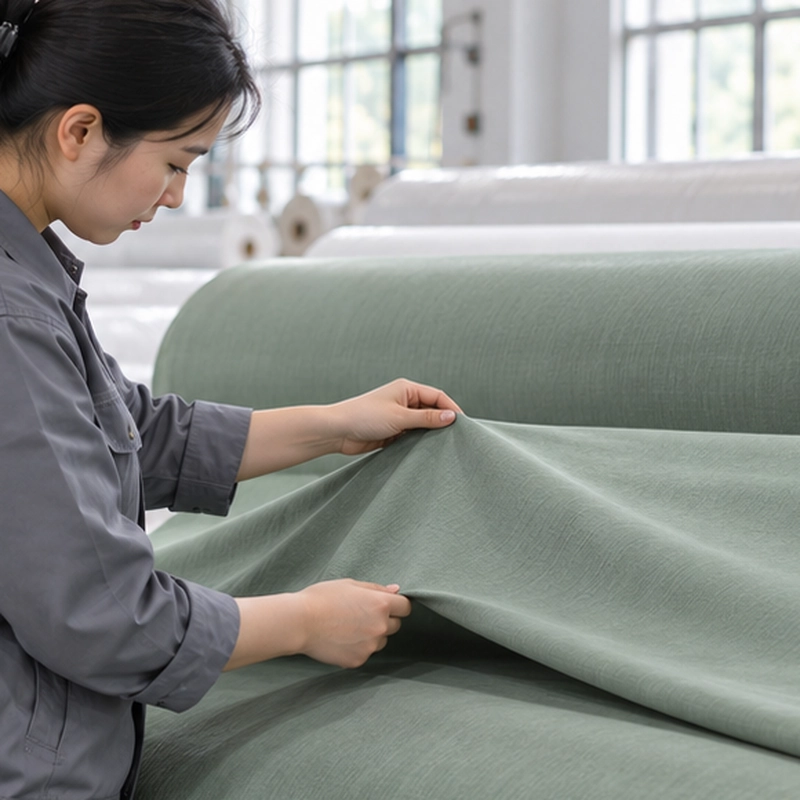
ReuseCare lists basic finished styles with minimum orders from 5 to 300 pieces depending on product; finished-product custom printing starts from 300 pieces. These are guide ranges, not a confirmation for a particular style. Confirm whether a minimum applies per item, style, artwork or order. Ask suppliers to quote samples, customization, production and transit separately.
MOQ: ask what quantity the minimum applies to
Minimum order quantity is meaningful only when the counted unit is clear. A supplier might discuss a minimum per style or product route, while the buyer may be thinking about the combined order total. A project with several sizes, prints or day/night styles can have different quantity constraints from a single-style request. The quote should state the unit being counted and any conditions attached to the minimum.
For ReuseCare, basic finished styles are listed from 5–300 pieces depending on the product, and finished-product custom printing starts from 300 pieces. A buyer planning 500 pieces should still identify the selected style and the number of versions. The planning total does not confirm that every customization or variant is available at that quantity. Confirm the applicable minimum and whether the quoted quantity is split across colours, prints, sizes or artwork versions.
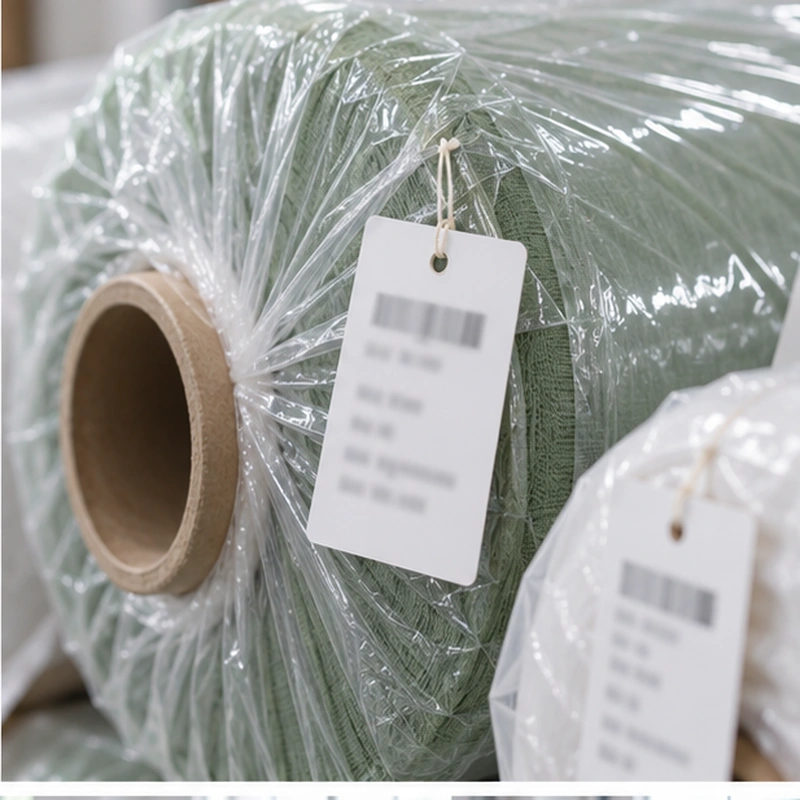
Ask whether the minimum changes when the buyer selects existing stock, requests a new print, adds a logo or changes packaging. If there is a threshold for one part of the order, such as printed packaging or product artwork, have the supplier state it separately. This allows a buyer to decide whether to simplify the variant plan without confusing different minimums.
Sample cost: define what is being sampled
“Sample” can mean an existing reference piece, a revised sample, a logo application, a new construction, a packaging proof or a set combining several options. Ask what the supplier proposes to prepare and what decisions it is intended to answer. State the sample quantity and variants, the artwork revision, whether packaging is included and how delivery should be quoted.
Request sample charges as their own line and ask whether any portion is credited against a later order; do not assume that it is. Ask whether revisions are included or re-quoted and what event closes sample approval. A mock-up may help confirm a logo layout, but cannot establish wash durability or finished-product performance. For a product review, define the material positions, construction, dimensions and evaluation points that matter to you. The sample workflow for a planned 500-piece order shows how to record each version and decision.
Lead time: separate stages and start points
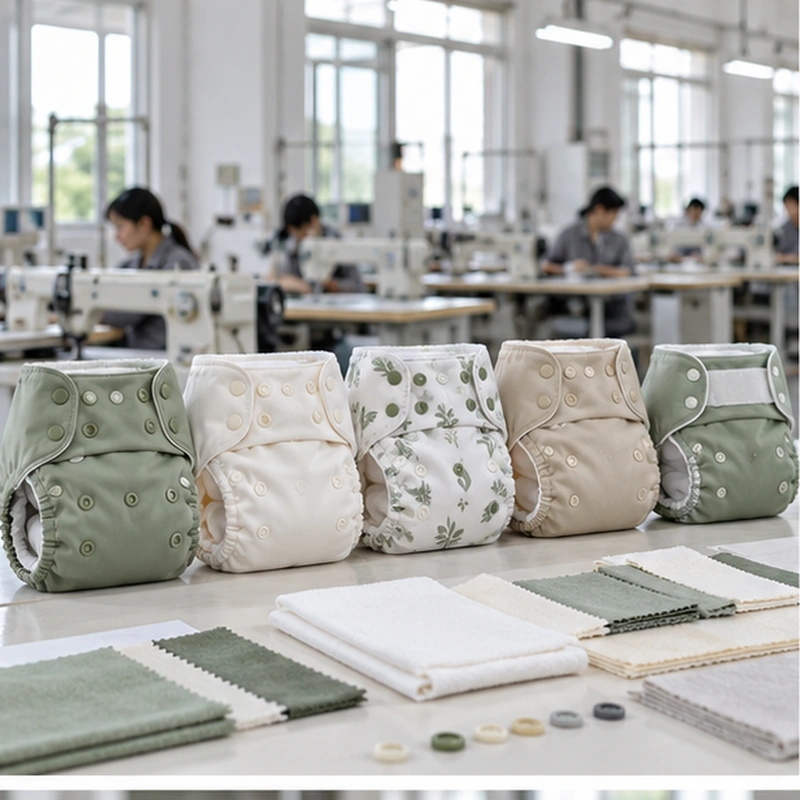
A single “lead time” number can conceal several different intervals. Ask whether the supplier means sample preparation, buyer review, artwork approval, material sourcing, custom production, quality checks, dispatch or transit. A schedule should state the event that starts each interval and any approvals or deposits that must happen first. That makes two offers more comparable and helps both parties spot dependencies.
Confirmed in-stock styles may dispatch within two days after availability is confirmed. This statement concerns dispatch only; it is not an arrival promise. It does not set the timing for sample work, custom printing, packaging production, made-to-order goods or transit. Request a written schedule for the selected scope and destination. If a sample revision or artwork approval changes, ask how the schedule is updated.
Plan 100, 250 or 500 pieces as inquiry scenarios
Use 100, 250 and 500 pieces as planning scenarios when requesting comparable quotations. They are inquiry quantities, not universal ReuseCare price tiers, confirmed MOQs or a promise that every style can be mixed. The applicable minimum depends on the selected product and customization. Ask each supplier to confirm the minimum per style, print, artwork version and total order in writing.
| Scenario | Quote-ready planning points |
|---|---|
| 100 pads | Enter daytime ___ and nighttime/heavier-flow ___ quantities. Ask whether the proposed split fits the selected basic styles. State any optional pouch count separately, or mark pouches as excluded. Confirm per-style MOQ, sample scope, availability and which branding options can be quoted. |
| 250 pads | List the unit count for each day/night style instead of only the combined total. Quote any pouch as a separate item with its own quantity and specifications. Confirm whether basic-style minima apply per style. Finished-product custom printing starts from 300 pieces, so ask how that threshold applies to the product and artwork before choosing a print route. |
| 500 pads | List every style/version and quantity; the combined total does not automatically satisfy each style or print minimum. Specify optional pouch quantity and whether it is a separate item or proposed set. Confirm the MOQ basis for each version, artwork and packaging approval gates, sample scope and timing by stage. |
These scenarios are for quote comparison only. ReuseCare's basic finished styles have product-specific minimums within the 5–300-piece range. Custom printing on finished products starts from 300 pieces. Ask whether those minimums are counted per style, print or artwork, especially when day and night versions are mixed. Pouch quantities and minimums must be quoted separately rather than assumed to match pad quantities.
Sample, artwork and packaging approval gates
- Sample: identify existing day/night references and any pouch sample. Ask what physical review covers, the sample charge, shipment and revision policy.
- Artwork: name the logo file and revision, placement and proposed print method. Request a proof and written confirmation of feasibility and the applicable product-printing threshold before production.
- Packaging: specify individual pack, gift box or another format, plus language, labels and artwork. Ask whether a proof is part of the sample stage, and confirm any packaging MOQ, setup charge and approval deadline.
- Schedule: request separate timing for sampling, buyer review, artwork/packaging approval, production, dispatch and destination transit. Record the event that starts each stage.
Confirmed in-stock styles may dispatch within two days after availability is confirmed. That is a dispatch statement, not a delivery promise. It does not establish sample, customization, packaging or production timing. Ask for destination-specific transit separately.
Copy-ready RFQ fields
| Quantity scenario | 100 / 250 / 500 pads; request one or all three |
|---|---|
| Style split | Daytime ___ pcs; nighttime/heavier-flow ___ pcs; style references ___ |
| Optional pouches | Quantity ___; separate item or set ___; required use/specification ___ |
| Samples | Pad variants and pouch to review ___; request sample and shipment as separate quote lines |
| Branding | Existing-style label or finished-product printing ___; logo file/revision and placement ___ |
| Packaging | Individual pack / gift box / other ___; language, label and artwork ___ |
| Destination and timing | Country/postcode ___; request each stage through transit and list quote exclusions |
This brief keeps quantity, optional accessories and approval dependencies visible. Use the quote form to request written terms; treat all figures and schedules as provisional until the selected specifications are confirmed.
What a useful written quote should separate
Use a written description rather than a product name alone. If the buyer requests a black absorbent layer, waterproof construction, snaps or day and night options, ask the supplier to map those requests to a proposed style and confirm what still requires sample review. Do not infer fiber composition, dimensions, certificates or performance from generic terms or images.
Compare two supplier offers fairly
Copy one requirement sheet to each shortlisted supplier. Include the exact planned quantity, variant allocation, intended product, destination, logo file revision, packaging brief and sample request. Ask each supplier to return the same categories: MOQ basis, sample scope and charge, finished goods, customization, packing, freight, exclusions and timing by stage. Record currencies and quote validity so later changes do not make old figures appear current.
Mark every answer as confirmed, estimated or awaiting clarification. If one offer includes a physical sample and the other prices only an existing reference, the totals are not like-for-like. If one supplier’s “lead time” stops at dispatch and another’s includes transit, compare the stages instead of the headline number. The cost guide explores the price drivers, while the packaging workflow helps define branding and pack questions.
Quote comparison checklist
- Is the MOQ per style, print, size, artwork or total order?
- Does the price describe the same product construction and variant mix?
- What sample will be made, and which revision and checks are included?
- Are custom printing and packaging within the quoted minimum?
- Are sample, customization, product, packing and freight costs itemized?
- Are import charges excluded, provisional or confirmed by the buyer’s importer?
- Does each schedule identify sample, approval, production, dispatch and transit?
- Which terms, currency and quote-validity date apply?
Then send the unresolved questions with the reusable menstrual pad product range and the relevant private-label requirements. A complete RFQ lets the supplier respond to a defined project instead of guessing at an unspecified product. Use the quote form to begin.
Frequently asked questions
What is the MOQ for reusable menstrual pads?
The applicable MOQ depends on the selected product and customization. ReuseCare lists basic finished styles from 5 to 300 pieces depending on product, while finished-product custom printing starts from 300 pieces. Confirm whether the minimum applies per style, print or order in the written quote.
How much does a reusable menstrual pad sample cost?
There is no sample fee stated in this guide. Ask for a project-specific sample quote that describes the style, sample revision, requested customization, quantity, packaging and shipment. Sample work, custom production and transit are quoted separately.
How long does a custom reusable pad order take?
This page does not promise a custom production or delivery duration. Ask the supplier to state sample work, approval, production, dispatch and transit timing separately for the selected specification and destination. Confirmed in-stock styles may dispatch within two days; dispatch is not delivery.
Can I compare supplier lead times from one quoted number?
Only if each supplier defines the start event, included stages, approval dependencies, dispatch point and destination transit in the same way. Ask for the schedule by stage and record what happens if artwork, sample approval or materials change.