For a comparable private-label quote, send six connected inputs: product and construction, quantity by variant, logo/artwork, sample request, packaging and destination. Ask the supplier to confirm open specifications, the applicable minimums, project timing and what each price includes. Keep the final quotation tied to an approved sample and revision record.
1. Define the product you want to buy
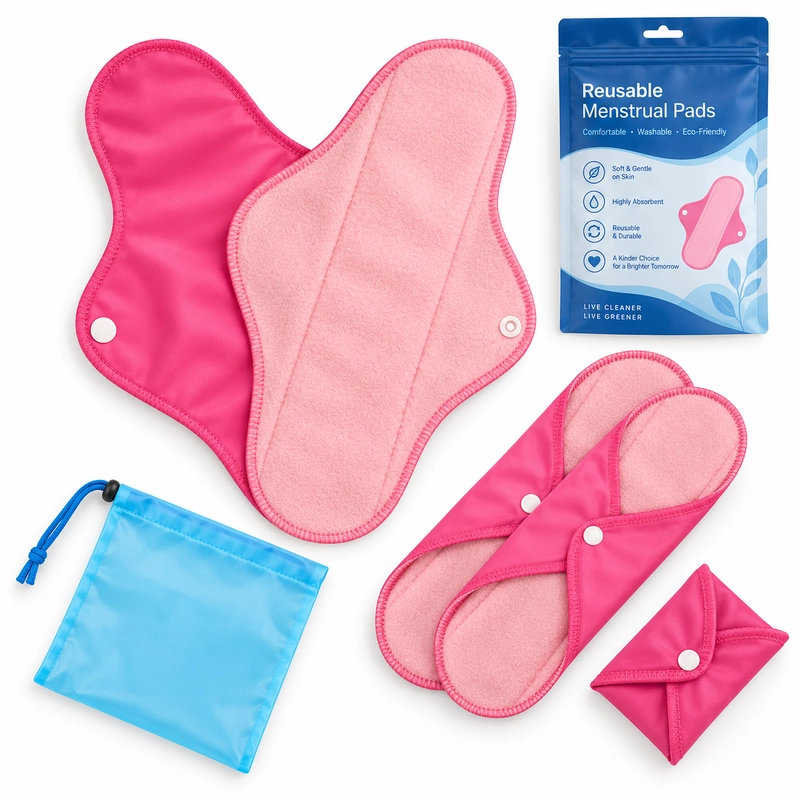
Begin with a product family and intended assortment. For each pad, identify day or night use, size, shape, wing and fastening preference, color or print, and quantity by variant. List different lengths or absorbency targets separately so the supplier can quote and sample them individually. Attach a reference image or sketch, and label it as inspiration or a required feature.
Describe materials as requests to confirm, not as facts about a product you have not sampled. If you want a black inner layer described as bamboo charcoal, ask for the exact fiber composition and position in the construction to be stated in the offer and sample record. Also define what “waterproof protection” means for your evaluation: specify the test method, preparation, conditions and acceptance criteria you want the supplier to review. A material name or product photo does not establish a finished-pad performance result. See the materials and layers guide for a structured layer map.
2. Give quantity by style and separate customization
State the initial order quantity by style, size, print and color. ReuseCare's confirmed starting minimum for basic finished styles ranges from 5 to 300 pieces depending on product. Finished-product custom printing starts from 300 pieces. Ask which minimum applies to the chosen product and customization, and request separate product, sample, logo and packaging charges where available.
For an initial 500-piece order, clarify whether that means 500 total or 500 of each style. A later reorder forecast may help explain the project, but it does not replace the first-order specification. Record the assumptions behind each quote, including assortment, printing and packaging quantity.
3. Prepare logo and artwork information
Attach your logo source file, color references, preferred placement and approximate size. Identify which elements must remain unchanged and which may be adapted after a production review. A direct logo application on every pad cannot be assumed for every construction or surface. Ask the supplier to confirm the method and location for the selected style and request a layout or sample that you can approve.
Define wash-performance acceptance for the sample rather than requesting a vague “wash-proof” guarantee. Agree on care conditions, evaluation procedure, inspection points and any cycle count that is relevant to your product. Keep the test record connected to the sample revision. The logo application guide explains how to review artwork, placement and sample control.
4. Ask for a sample before releasing the order
State whether you need a standard reference sample, a customized sample or both. Ask what each sample includes, its charge, the available payment method and the estimated preparation and shipping cost to your destination. Tell the supplier what you will inspect: materials and construction, dimensions, fastening, finish, artwork, packaging and any agreed performance checks. Request a photo or digital mock-up for artwork review before production when offered, while recognizing that a visual mock-up does not replace a physical sample.
Give each revision an identifier. Record the changes requested, who reviewed them, what was accepted and the date. Your bulk order should refer to the chosen sample version and the final artwork/packaging revisions. The sample approval guide describes the release record. Do not use a message such as “looks good” without identifying which version it approves.
5. Define the selling unit and packaging
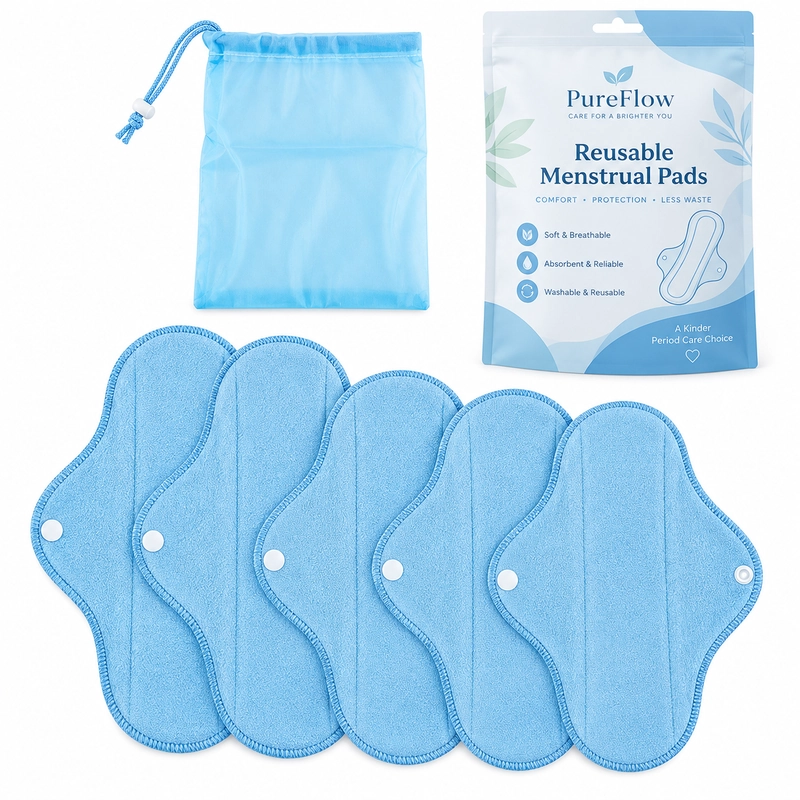
Explain whether each pad is packed alone or sold in a set, and list every item included: pouch, insert, label, barcode, retail box or additional accessory. Provide final copy and artwork revisions where available. If your product will have several SKUs, attach a table matching each product variant to its label and barcode. Ask the supplier to confirm which scans or checks can be recorded and review a physical pack with the product inside.
Packaging MOQ and timing must be confirmed per project and sample. They depend on the chosen format, dimensions, printing and artwork; do not infer them from the product minimum. The individual packaging guide covers label and barcode approval, and the packaging workflow shows the production-side handover record.
6. Make shipping and payment questions explicit
Give the destination country, postal code, delivery address type and known shipping constraints. Request sample and order freight separately, with the proposed method and estimate basis. Ask whether duties or taxes are included, who is importer of record and who handles clearance. Import charges depend on destination and shipping terms, so define those assumptions before comparing any landed-cost estimate.
Ask which secure payment options are available and when deposits or balances fall due. Compare quotations on the same scope and delivery basis. Confirmed in-stock styles may dispatch within two days after availability is confirmed; dispatch is not delivery and does not set a custom schedule. Request separate timing for sample, approval, production, dispatch and transit.
Copy-ready OEM inquiry checklist
- Brand, website or sales channel, destination country and postal code.
- Product styles, sizes, use cases, construction requests and reference files.
- Exact quantity by style, size, print and color; clarify total vs per variant.
- Requested material details and open composition questions for supplier confirmation.
- Logo source, placement preference, artwork revision and wash acceptance plan.
- Sample type, sample price request, sample shipping and approval criteria.
- Packaging format, selling-unit contents, label text, SKU and barcode mapping.
- Product price, customization, packaging and freight to be itemized where possible.
- Payment methods, payment schedule and written quotation validity.
- Requested certificates or reports with the exact product and scope identified.
- Separate timing for sample, approval, production, dispatch and delivery.
When requesting certificates, name the product, material or process and market requirement. Ask for the certificate holder, covered scope and validity dates. Do not assume a document applies to every style or finished product. To learn about starting a product range, see the reusable menstrual pad brand-start guide and the private-label services page.
Frequently asked questions
What information should I send for an OEM quote?
Send the target pad styles and sizes, quantity by variant, requested materials or construction questions, logo and packaging needs, sample request, destination and any required document scope. Mark uncertain details for supplier confirmation.
Can I start with 500 customized pieces?
Basic finished-style minimums range from 5 to 300 pieces depending on product, and the confirmed starting point for finished-product custom printing is 300 pieces. The applicable minimum for a specific style and combination must be confirmed in a written quote.
Can the supplier quote delivered cost including import charges?
Request separate product, sample, customization, packaging, freight and applicable delivery terms. Import duties, taxes and clearance depend on destination rules and the agreed shipping arrangement; confirm who is responsible and what is included in writing.
What should happen before bulk production?
Review and record the product sample, construction, artwork, packaging, label and barcode version, agreed acceptance criteria and order details. Bulk production should refer to the identified approved sample and documented revisions.