
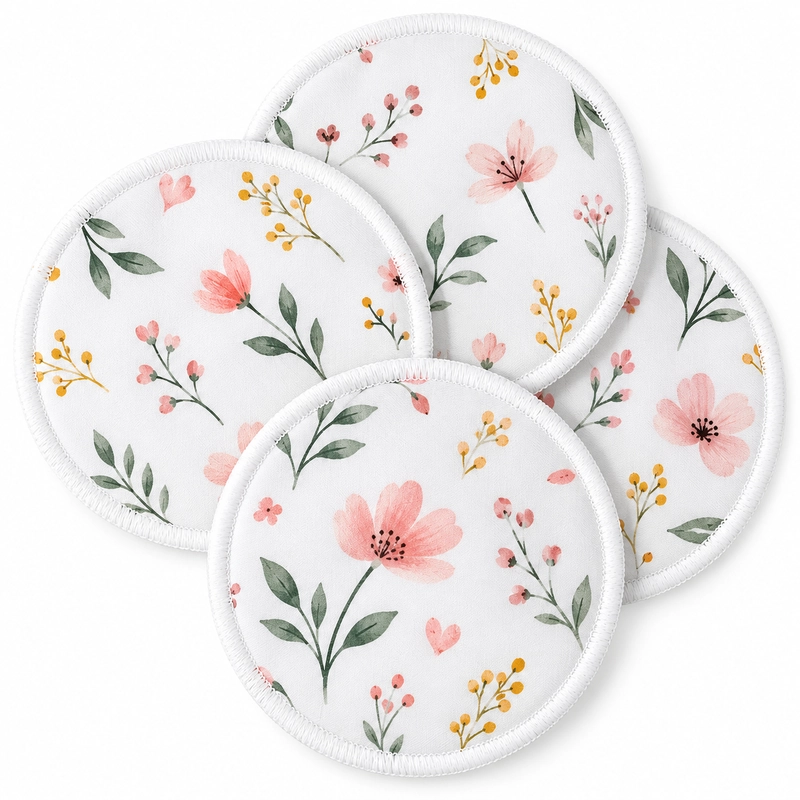
The current confirmed starting specification is a reusable nursing breast pad with three layers, including one 100% cotton flannel layer and one PUL layer, 12 cm diameter and four pads per retail pack. The product as a whole is not 100% cotton. Confirm the third-layer material, every layer’s GSM, thickness and dimensional tolerance in writing before approval.
Separate user need from purchase specification
Nursing pads are breast pads worn inside a bra to manage breast milk leakage. They are not menstrual pads and should not be described, pictured or evaluated as menstrual protection. State who will use the item, expected distribution setting, preferred reusable-care approach and intended pack format. Keep the product purpose clear in the RFQ, schedule, sample label and internal evaluation sheet so that reviewers assess the right function.
Institutional buyers may need a common specification across multiple evaluators. Define required fields and allow suppliers to mark each as confirmed, proposed or unavailable. This makes gaps visible before award or order placement. It also reduces the risk that a catalogue description, sample, quotation and delivery record silently refer to different constructions.
Record the starting specification and open fields
Use measurable fields where they are known: three-layer construction; cotton flannel and PUL among the layers; 12 cm diameter; four pads per retail pack. Ask the supplier to identify the exact third-layer textile and the GSM of each of the three layers. Neither is presently supplied, so do not complete those fields by assumption. Overall construction must not be marketed or specified as 100% cotton simply because one layer is cotton flannel.
Thickness and dimensional tolerance have not been provided. Ask the supplier to propose values and measurement conditions, then approve them in a dated written revision. For the diameter check, agree how the circular edge is measured, whether the item is relaxed or otherwise conditioned, and the acceptance range. A number without a method can produce inconsistent incoming inspection.
The current absorption target is 15 mL. It is a target for discussion, not a certified claim or a result established by this page. Before evaluating samples or making a performance statement, agree the test method, conditioning, dosing procedure, observation period and pass criteria. Record whether the method applies to an individual pad and how many units are assessed. If parties cannot agree these fields, label absorption as open rather than representing the target as demonstrated performance.
Review U.S. labeling and import questions with official sources
For a U.S.-bound purchase, buyers and importers should review applicability of relevant official requirements to the exact product, its labeling, sales channel and import arrangement. The FTC apparel and labeling overview introduces federal textile and apparel labeling topics. The FTC’s detailed Threading Your Way through the Labeling Requirements discusses scope and issues such as fiber content, origin, responsible business identity and label mechanics. These sources are starting points for review, not a determination that a particular nursing-pad design or package is covered in a particular way.
For import questions, buyers/importers should also review applicability and current instructions in U.S. Customs and Border Protection’s textile import guidance. Confirm the specific classification, origin, entry documentation, marking and other import questions with the responsible importer and qualified customs or legal professionals as appropriate. Product description and country-of-origin details should be consistent across commercial records, labels and shipment documents. This article is not legal advice and makes no legal or compliance guarantee.
Separately request product-specific certificates and test reports through the certifications information page, then verify holder, document validity, product and material scope, and batch or transaction coverage against the actual item quoted. A document for raw fabric, a different product or another production lot does not automatically establish coverage of delivered nursing pads. Record document identifier, issue date, named scope and limitations in the procurement file.
Make the request proportionate and specific: identify which documents are needed for your review, what product revision they must cover, and whether a report, certificate, declaration or traceability record is requested. A supplier statement or packaging logo alone does not answer the buyer’s applicability review.
Use sample approval as a procurement control
Request a representative sample and compare it with the written baseline. Check the 12 cm stated diameter using the agreed method; inspect seams, finish, layer identification and pack presentation; and note any open fields. The sample approval record should name a unique version, date, reviewer, deviations and disposition. Photos can help identify a version but do not replace written material and performance definitions.
If a sample change is made, assign a new revision and repeat any affected checks. Preserve an approved reference sample or a documented equivalent that both parties can identify. The bulk order should refer to the approved revision and signed specification, not simply “same as sample.” See the nursing-pad sample approval workflow for a detailed sign-off sequence.
State packaging, quantity and delivery fields
The confirmed retail pack contains four pads. State whether the requested quantity means pads or retail packs and show the conversion explicitly. The current carton reference is 400 retail packs per carton, which equals 1,600 individual pads. Carton dimensions are 53 × 38 × 48 cm; verify that the final packed goods and any revised packaging match the approved shipping specification. See the carton planning guide for arithmetic and freight inputs.
For delivery pricing, specify destination country and postal code, delivery term requested, shipment timing and any receiving constraints. DDP freight, duties and taxes require current destination and postal data and a current written quotation. Do not reuse a historic freight number as a current landed-cost commitment. Request itemized product, packing, freight and other applicable charges, with assumptions clearly stated.
A practical RFQ review checklist
- Purpose stated as reusable nursing breast pads.
- Three-layer baseline, known materials, 12 cm diameter and four-pad retail pack recorded.
- Third-layer material, per-layer GSM, thickness and dimensional tolerance left open pending written confirmation.
- 15 mL target accompanied by an agreed test protocol before performance evaluation.
- Certificates and reports checked for exact product, material and batch scope.
- Sample revision, deviations, approver and bulk reference recorded.
- Quantity unit, carton plan, destination and current shipping quote aligned.
Use an RFQ response matrix so procurement, technical reviewers and receiving staff work from the same revision. Ask suppliers to flag assumptions instead of silently filling unknowns. Keep tender-specific requirements in your own controlled documents; this general guide does not refer to any particular tender or provide legal advice.
Frequently asked questions
Is 15 mL a certified absorption claim?
No. It is a current target only. The method, conditioning, dosing, observation and pass criteria must be agreed before results or claims are interpreted.
Are these menstrual pads?
No. Nursing pads are breast pads intended to be worn in a bra to manage breast milk leakage. They are distinct from menstrual pads.
Do certificates automatically cover the quoted product?
No. Verify the exact product, material, certificate holder, scope and batch or transaction documentation for the items being procured.
What should an institutional RFQ include?
Include intended use, written product specification, quantities, acceptance checks, evidence requests, packaging, destination, delivery requirements and a route for sample approval. These are procurement prompts, not legal advice.
Use the confirmed starting specification as a discussion point, then verify every open field on an approved sample and written quotation. Send your nursing-pad RFQ with required quantity, pack format and destination to begin.